



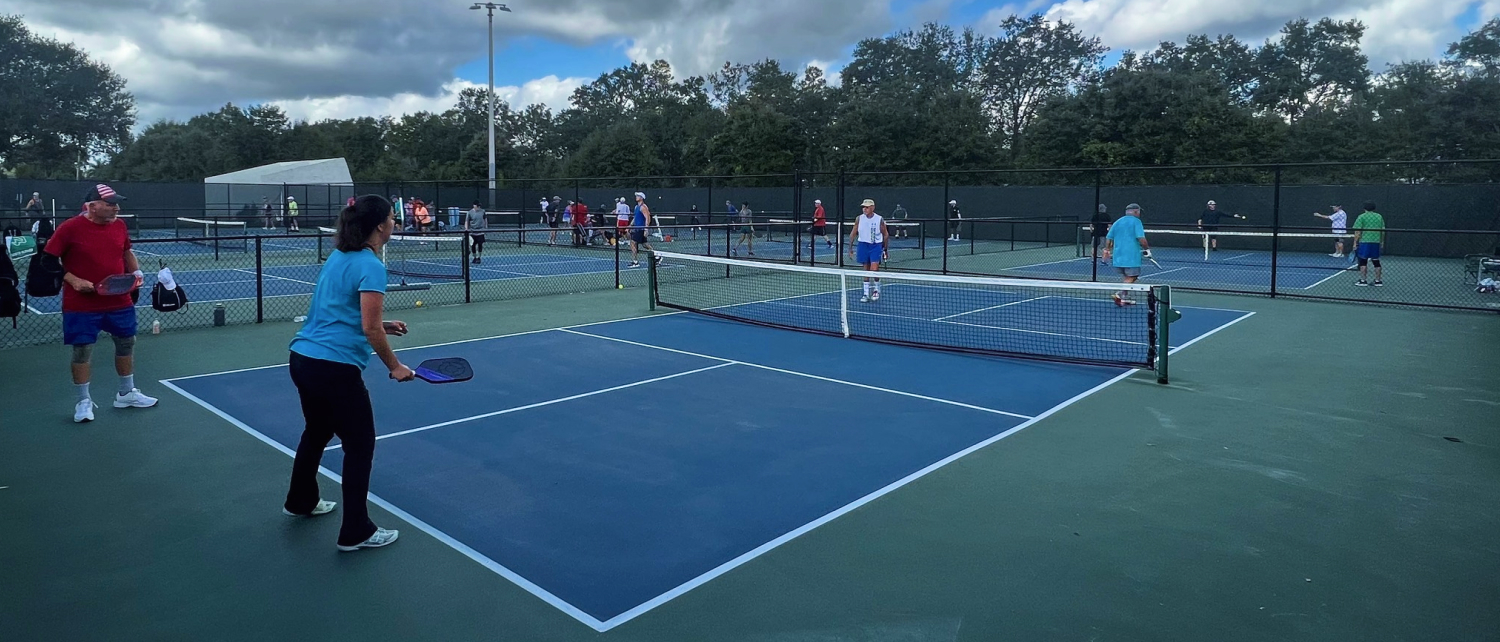

At I&G Pickleball, we’re thrilled to extend our passion for pickleball to the younger generation in Tampa Bay, Florida! Our certified coaching team, led by the expertise of Coach Igor, specializes in fostering a fun and engaging environment for kids to learn and improve their pickleball skills. Whether your child is just starting or looking to elevate their game, our personalized approach to coaching, with options for private, semi-private, and group lessons, ensures that every young player receives the attention they deserve.
With a focus on fundamental techniques, strategy, and sportsmanship, I&G Pickleball is committed to developing the talents of young athletes. Our programs in these vibrant communities are designed to be accessible and inclusive, allowing children to become part of the rapidly growing pickleball community.
For parents in Port Richey, Brooksville, and Tarpon Springs seeking a constructive and enjoyable sport for their kids, look no further. Join us on the courts and watch your child’s love for the game grow with each serve and volley at I&G Pickleball!
Youth Lessons are available at Brooksville, Tarpon Springs, and Port Richey locations.
YOUTH PROGRAM PROVIDER
Reviews


I would highly recommend him for as many lessons as you need. You will definitely get your moneys worth.


If you’re looking for a Coach to help you with your game, look no further.


Frequently Asked Questions
Pickleball is a paddle sport that combines elements of tennis, badminton, and table tennis. It is played on a smaller court with a lower net, using a solid paddle and a perforated plastic ball. The game can be played in singles or doubles. The serve is performed underhand and diagonally into the opponent’s service court. After the serve, both teams must allow the ball to bounce once on each side before volleying is permitted. This is known as the two-bounce rule. Games are typically played to 11 points, and a team must win by two points. Only the serving team can score points. A defining feature of pickleball is the non-volley zone, commonly referred to as the kitchen, which extends seven feet from the net on each side. Players may not hit the ball in the air while standing in this area. Pickleball emphasizes strategy, placement, and consistency rather than raw power, making it accessible for players of all ages and skill levels. Its social nature and straightforward rules have contributed to its rapid growth across recreational and competitive communities.
To begin playing pickleball, only a few essential items are required. A pickleball paddle is the primary piece of equipment. Beginners typically benefit from a paddle that offers a balance of control and comfort rather than excessive power. The ball used in pickleball is lightweight, hollow, and designed with small holes to regulate speed and bounce. Court shoes with non-marking soles are recommended to support lateral movement and maintain stability during play. Athletic clothing that allows free movement is ideal, along with hydration for comfort and safety. Optional accessories include paddle grips, bags, and protective eyewear. While higher-end equipment is available, beginners do not need expensive gear to get started. A basic paddle and ball are sufficient for learning fundamentals, participating in lessons, and enjoying recreational play. As skill level improves, players may choose to upgrade equipment to better suit their playing style.
Yes, pickleball is well-suited for children due to its manageable court size, lighter equipment, and emphasis on coordination rather than strength. Youth instruction focuses on basic movement, paddle control, and understanding rules in an age-appropriate format. Lessons also promote sportsmanship, teamwork, and confidence. Children often adapt quickly and enjoy the social aspects of group play. Pickleball provides a positive introduction to lifelong physical activity and helps develop transferable athletic skills. With proper instruction and encouragement, young players can progress steadily and enjoy both recreational and competitive opportunities.
Selecting the right paddle depends on skill level, comfort, and playing style. Beginners generally benefit from paddles that emphasize control and forgiveness. Paddle weight influences maneuverability and power, while grip size affects comfort and control. A properly sized grip reduces strain and improves consistency. Advanced players may prefer paddles designed for specific performance characteristics. Testing different paddles and receiving guidance from a coach can help players make informed decisions. Equipment that complements a player’s strengths supports long-term improvement and enjoyment.