



Introduction
Pickleball is one of the fastest-growing sports in the United States and beyond. Players of all ages are drawn to its social atmosphere, the smaller court, and the way it blends quick reflexes with strategy. It is often described as low-impact, and for many people it is. Still, one recurring problem shows up on courts everywhere. Elbow pain.
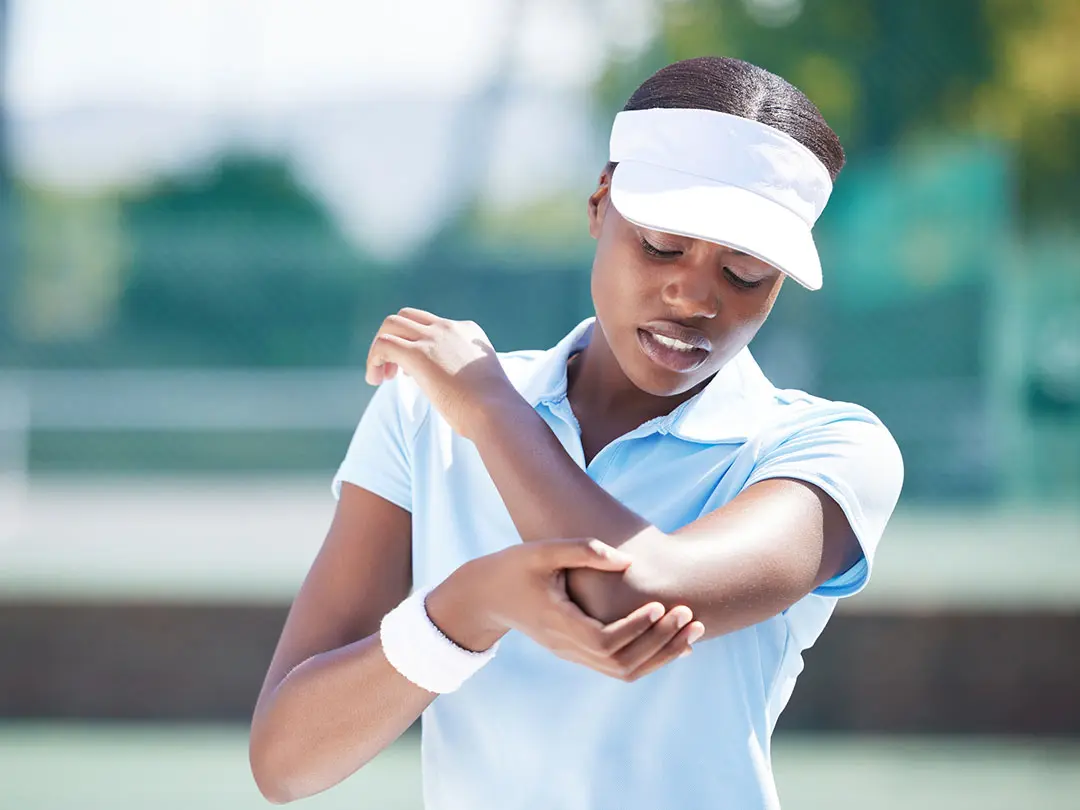
Many players feel soreness on the outside of the elbow, pain on the inside of the elbow, or a deep ache that flares during drives, volleys, and even simple dinks. They hear terms like tennis elbow or golf elbow and assume those injuries belong to other sports. The names are misleading. You can develop tennis elbow without ever picking up a tennis racquet, and you can develop golf elbow without ever swinging a club.
In my experience as a pickleball coach, I have seen these issues in beginners who jump into the sport quickly, in intermediate players who play several days per week, and in strong athletes who simply carry over habits that do not match pickleball mechanics. The most frustrating part is that many cases are preventable. When players understand why the pain happens and what to change, they often return to comfortable, confident play.
This article explains why pickleball players develop tennis elbow and golf elbow, why it is happening so often, what responsible treatment looks like, and what technique and equipment adjustments can reduce risk. The goal is simple. Help you keep playing the sport you love, without turning elbow pain into a long-term problem.
What Tennis Elbow and Golf Elbow Really Mean
Tennis elbow is the common name for lateral epicondylitis. It typically causes pain on the outside of the elbow where the forearm extensor tendons attach. Golf elbow is the common name for medial epicondylitis. It typically causes pain on the inside of the elbow where the forearm flexor tendons attach.
Both conditions are related to overuse and overload. The tendons that connect muscle to bone are designed to handle stress, but they need time and appropriate loading to adapt. When you repeatedly stress the same tissues with high tension, poor mechanics, or too much volume, the tendon can become irritated. Over time, tiny micro injuries accumulate. Pain, stiffness, and weakness can follow.
Pickleball can stress both sides of the elbow. The outside can be irritated by repeated gripping and extension, especially during fast exchanges and hard drives. The inside can be irritated by repeated flexion and pronation, which can show up when players roll the wrist, flick for power, or pull the paddle across the body under tension.
A helpful way to think about it is this. Tennis elbow and golf elbow are not just injuries. They are signals. They often signal that the arm is doing more work than the body should be doing, or that the workload is increasing faster than the tendon can adapt.
Why Pickleball Players Get Elbow Issues So Often
Pickleball is deceptively demanding on the forearm. Because the paddle is light and the court is small, players assume the sport is gentle. The reality is that pickleball involves frequent short swings, quick reactions, and constant gripping. Those repeated micro loads add up.
One major cause is volume. Many players go from one or two days per week to four or five days per week, sometimes with long sessions. Tendons adapt more slowly than muscle and cardiovascular fitness. A player can feel “in shape” while the tendon is quietly falling behind.
Another cause is tension. Players who are worried about pop ups or mishits often squeeze the paddle too hard. That constant squeeze keeps the forearm muscles switched on for the entire session. Reduced circulation and high tension increase tendon stress, and the elbow becomes the weak link.
A third cause is arm-dominant mechanics. Instead of using the legs, trunk, and shoulder to move the paddle, many players try to create power with the forearm and wrist. This happens a lot with former tennis players who rely on wristy acceleration, and with new players who have not been coached on body engagement.
Finally, equipment can contribute. A paddle that is too heavy for the player, a grip that is too small, or a setup that transmits a lot of vibration can increase strain. Equipment rarely causes the problem alone, but it can make an existing technique or workload issue worse.
Common Technique Mistakes I See as a Coach
When players ask me why their elbow hurts, I look for patterns. The patterns are consistent.
The first is overgripping. Many players hold the paddle as if they are trying not to drop it during a sprint. In pickleball, you need control and stability, but you also need relaxed hands. A tight grip increases forearm tension, reduces touch, and makes the elbow absorb more stress.
The second is late contact. If you frequently contact the ball behind your hip, your elbow and wrist are forced into awkward positions to save the shot. The body compensates by yanking the paddle with the forearm. That is hard on tendons.
The third is reaching instead of moving. Poor footwork makes the arm “reach and poke.” Reaching can work for a few games, but it increases leverage forces on the elbow. Moving the feet keeps the body balanced and the contact point in front.
The fourth is excessive wrist flicking for power. Some wrist motion is part of the sport, especially at the net, but the wrist should not be the engine. When the wrist becomes the engine, the elbow pays the price.
The fifth is hitting with a locked elbow. A locked arm can feel strong, but it reduces shock absorption. The result is more vibration and impact traveling into the elbow. A slightly softer arm with better body alignment is usually safer and more consistent.
Early Warning Signs You Should Not Ignore
Most elbow injuries do not start with a dramatic moment. They start quietly. You may notice a mild ache after playing. You may feel stiffness in the morning. You may feel a sharp twinge on a hard backhand or a quick volley. You may notice your grip feels weaker, or that lifting a coffee mug or opening a jar is uncomfortable.
These early signs are important. When players ignore them, they often end up taking much more time off later. If you address symptoms early, you can often keep playing while you correct the underlying causes. If you wait until pain is constant, recovery usually takes longer and requires more structured rehab.
Responsible Treatment and Recovery
Elbow pain deserves a thoughtful approach. The goal is not just to feel better today. The goal is to heal the tissue and change the factors that created the problem.
Start by modifying activity. That might mean shorter sessions, fewer days per week, or avoiding high stress strokes for a period of time. Many players can still play while they recover, but they may need to limit drives, overheads, and aggressive flicks at the net. If a stroke causes sharp pain, it is a signal to stop that motion for now.
Use basic inflammation management. Ice after play can help reduce soreness. Some players benefit from a compression sleeve or a counterforce strap. These tools can reduce stress on the tendon during activity. They do not fix mechanics, but they can help you stay comfortable while you improve your approach.
Strengthening matters. Tendons respond well to progressive loading when it is done carefully. Slow, controlled wrist extension and wrist flexion exercises, performed with light resistance, can help rebuild tolerance. Eccentric training, where you control the lowering phase slowly, is often recommended in rehab programs.
Mobility matters too. Gentle stretching of the forearm muscles can reduce tension. Many players have tight wrist flexors and extensors from daily life and from gripping. If the muscle is tight, the tendon takes more stress.
Most importantly, seek professional guidance if pain persists. A physical therapist or sports medicine provider can confirm the diagnosis, rule out other issues, and build a plan that matches your severity and your goals. Chronic pain is not something to “push through.”
Technique Changes That Help Prevent Elbow Pain
In coaching, I focus on changes that reduce load on the elbow while improving performance. Prevention and better play often go together.
First, reduce grip pressure. Think of holding the paddle like a firm handshake, not a clenched fist. Many players immediately feel more touch and less tension when they relax the hand.
Second, engage the body. Power should come from the legs and core. When you rotate the trunk and use weight transfer, the arm becomes a guide instead of a motor. This reduces strain on the forearm and elbow.
Third, improve contact position. Aim to contact the ball slightly in front of your body. This is easier when your feet are active. Better footwork reduces reaching, which reduces stress.
Fourth, shorten the swing. Pickleball rewards compact strokes. A smaller backswing with a smooth acceleration is often more effective than a big swing. Large swings often lead to late contact, sudden deceleration, and extra elbow load.
Fifth, soften the arm. You do not need a locked elbow to be stable. A slightly soft arm improves shock absorption and control. This is especially important at the net.
Sixth, learn to block and reset instead of punching. Many elbow flare ups happen during fast volley exchanges when players punch the ball with a stiff arm. A controlled block, with a stable paddle face and relaxed hand, reduces impact and improves consistency.
Warm-Up and Conditioning That Supports Healthy Elbows
Many recreational players skip warm-ups. In pickleball, warm-ups are a form of injury prevention.
A simple warm-up can include shoulder circles, gentle wrist mobility, and light shadow swings. Add a few minutes of easy dinking before hard play. Then gradually build speed. This progression helps tissues prepare for higher loads.
Off-court strengthening is also valuable. The goal is not bodybuilding. The goal is tendon resilience and muscular balance. Simple exercises like wrist curls, reverse wrist curls, and light pronation and supination work can help. Grip training can be helpful, but it should be balanced. Overdoing grip training can increase symptoms if you are already inflamed.
Do not ignore the shoulder and upper back. If the shoulder is weak or unstable, the forearm often compensates. Strengthening the rotator cuff, scapular muscles, and core can improve mechanics and reduce elbow strain.
Equipment Considerations That Make a Difference
Equipment will not fix poor mechanics, but the right setup can reduce stress.
Paddle weight matters. Heavier paddles increase torque at the elbow. Some players do well with a moderate weight, while others need a lighter paddle, especially during recovery. If your elbow hurts, consider testing a slightly lighter paddle and see how your body responds.
Grip size matters. A grip that is too small forces you to squeeze harder. A grip that is too large can reduce control and change wrist mechanics. If you are unsure, a common guideline is that when you hold the paddle, you should have comfortable contact without needing to over-squeeze. Overgrips can help fine-tune size and improve comfort.
Vibration matters. Some paddle constructions transmit less vibration. Players with a history of elbow issues often feel better with paddles that dampen vibration. The best approach is to demo and pay attention to how your elbow feels during and after play.
Finally, consider your strings, tape, and accessories. Added edge tape or weights can change swing weight. That can be helpful for some players and harmful for others. If you add weight, do it gradually and track symptoms.
A Practical Return-to-Play Plan
When pain improves, many players rush back and end up flaring the tendon again. A return plan helps.
Start by keeping sessions short. For example, play 30 to 45 minutes at a comfortable pace. Focus on dinks, blocks, and controlled placement. Avoid hard drives for the first phase.
Add volume slowly. Increase play time by small steps. A practical rule is to increase by no more than 10 to 15 percent per week, depending on how you feel the next day. Tendon response is often delayed. The next morning matters.
Add intensity last. Hard drives, overheads, and aggressive net flicks should come back after you can play comfortably at moderate intensity. If a specific stroke consistently triggers pain, that stroke needs technique work.
During return to play, continue strength and mobility work. Rehabilitation is not just a phase. It is part of staying durable.
A Coach’s Perspective on Why This Keeps Happening
I see elbow issues because pickleball attracts motivated people who want to play often. It also attracts people who do not have a technical foundation, especially if they have never worked with a coach. Players find a way to get the ball over, and that way often involves tension, wrist flicks, and reaching.
The good news is that technique changes often help quickly. When players relax the grip, use the body, and improve footwork, they frequently report less pain within a short period of time. The longer someone plays with poor mechanics and high volume, the longer the recovery can be.
Pickleball should be fun and sustainable. Players who invest in good movement, good habits, and appropriate recovery tend to stay on the court longer and enjoy the sport more.
Final Thoughts
Tennis elbow and golf elbow are common in pickleball, but they are not inevitable. They usually reflect a mix of workload, tension, technique, and sometimes equipment choices. The best strategy is to respond early, reduce stress, and correct the patterns that overload the tendon.
If you are dealing with elbow pain, focus on three priorities. Modify volume to allow healing. Strengthen and mobilize the forearm and supporting muscles. Improve technique so the body shares the work instead of the elbow doing everything. In my experience as a coach, those changes are often the difference between a short setback and a long-term limitation.
Pickleball is a lifelong sport for many people. With the right approach, you can protect your elbows, keep improving, and keep enjoying the game.
Frequently Asked Questions
1. Can pickleball cause tennis elbow even if I have never played tennis?
Yes. Tennis elbow describes pain on the outside of the elbow related to tendon overload. Pickleball involves repetitive gripping and hitting motions that can stress the same tendon attachment.
2. How can I tell the difference between tennis elbow and golf elbow?
Tennis elbow usually hurts on the outside of the elbow. Golf elbow usually hurts on the inside of the elbow. Both can be aggravated by gripping, lifting, and certain strokes. A medical professional can confirm the diagnosis.
3. Should I stop playing completely if my elbow hurts?
Not always. Many players do better by reducing intensity and volume while correcting technique and doing strength work. If pain is sharp, worsening, or persistent, you should pause and seek professional guidance.
4. Do braces or sleeves help?
They can help reduce symptoms by lowering stress on the tendon during activity. They are a support tool, not a cure. Technique changes and progressive strengthening are usually needed for lasting improvement.
5. Does paddle choice affect elbow pain?
Yes. Paddle weight, swing weight, grip size, and vibration can influence strain on the elbow. A better fitting grip and a comfortable weight often reduce symptoms.
6. Can coaching really help with elbow issues?
Yes. In my experience, coaching that focuses on grip pressure, contact position, footwork, and body engagement often reduces elbow strain and helps players return to comfortable play faster.
Reference
- https://www.mayoclinic.org/diseases-conditions/tennis-elbow
- https://my.clevelandclinic.org/health/diseases/7049-tennis-elbow-lateral-epicondylitis
- https://orthoinfo.aaos.org/en/diseases–conditions/tennis-elbow-lateral-epicondylitis
- https://www.hopkinsmedicine.org/health/conditions-and-diseases/tennis-elbow
- https://www.ncbi.nlm.nih.gov/books/NBK431092/
- https://www.physio-pedia.com/Lateral_Epicondylitis
Picture Credit: iStock