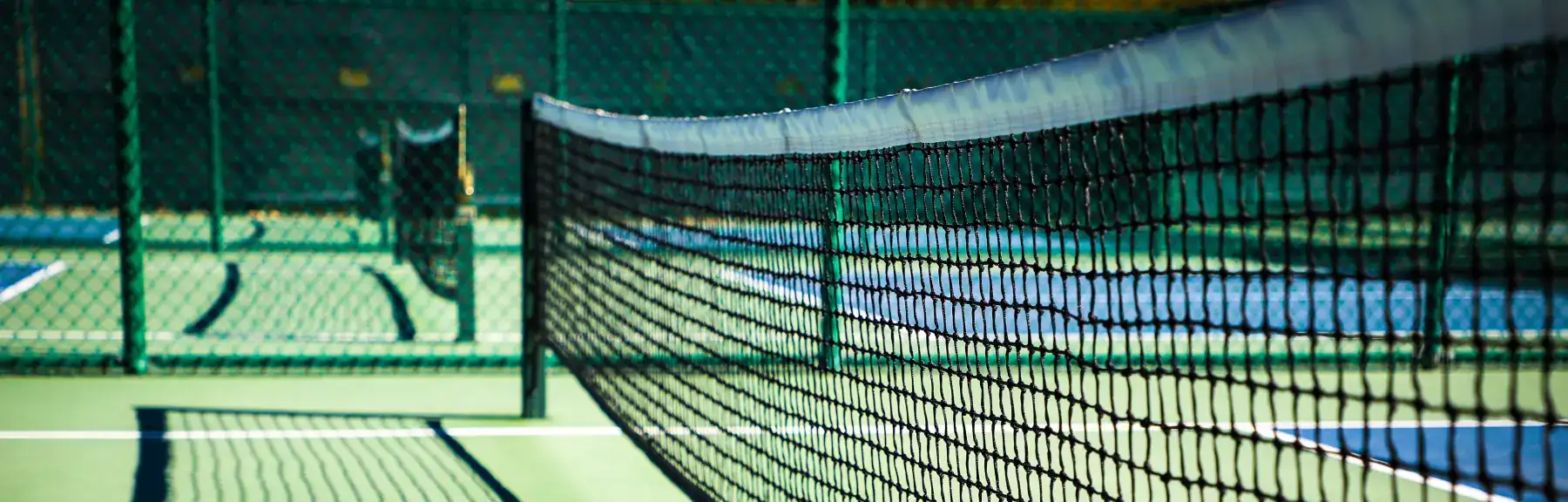




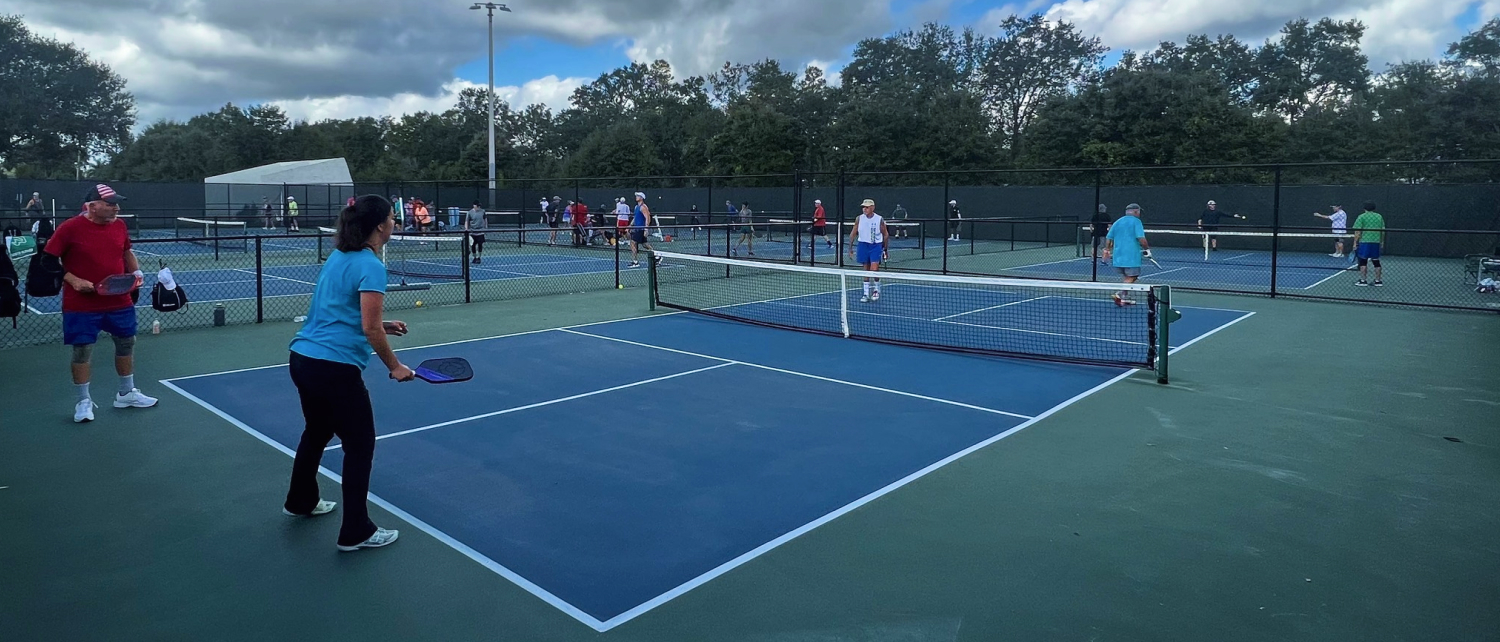
If you already play tennis, badminton, table tennis, racquetball, squash, or platform tennis, then switching to pickleball from other racquet sports is gonna feel way easier than you think. Pickleball borrows little bits from all these games, which is why so many racquet athletes fall in love with it fast. The court is smaller, the rules are simple, and you can rally with friends in your very first hour. At I&G Pickleball, we coach crossover players every week, and we’ve seen how quickly those old skills come back to life on a fresh court.
This guide breaks down how your current sport helps you, what new things you gotta learn, and the equipment that makes the switch smooth. Whether you’re stepping onto the court for fun or you wanna get competitive, moving to pickleball from other racquet sports starts with knowing what you already got in your toolbox.
What Makes Pickleball So Easy to Pick Up
Pickleball is one of the fastest-growing sports in the country, and there’s good reasons for that. The court is only about a third the size of a tennis court, so you don’t have to cover as much ground. The underhand serve is beginner-friendly. The lightweight paddle is easy to swing. And the plastic ball moves slower than a tennis ball, giving you extra time to react.
Most folks can play a real game the same day they start. That low bar to entry is exactly why players from other racquet sports show up and stick around. You already understand hand-eye coordination, footwork, and court position. Pickleball just puts those skills in a smaller, friendlier package.
Sport-by-Sport Crossover Guide
Every racquet sport gives you a head start in different ways. Here’s how the skills carry over, sport by sport.
Tennis to Pickleball
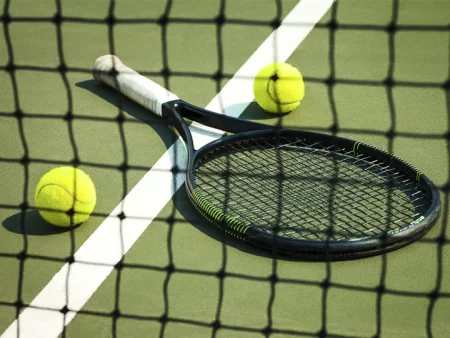
Tennis is probably the closest cousin to pickleball. Both games use a net, a court, and the goal of keeping the ball alive. Tennis players already know how to read the ball, judge a bounce, and get their body in the right spot. Your lateral and front-to-back footwork moves right over too. The big adjustments are the smaller court and the non-volley zone rules. Tennis players sometimes swing too hard at first, so learning a softer touch near the net is key.
Badminton to Pickleball
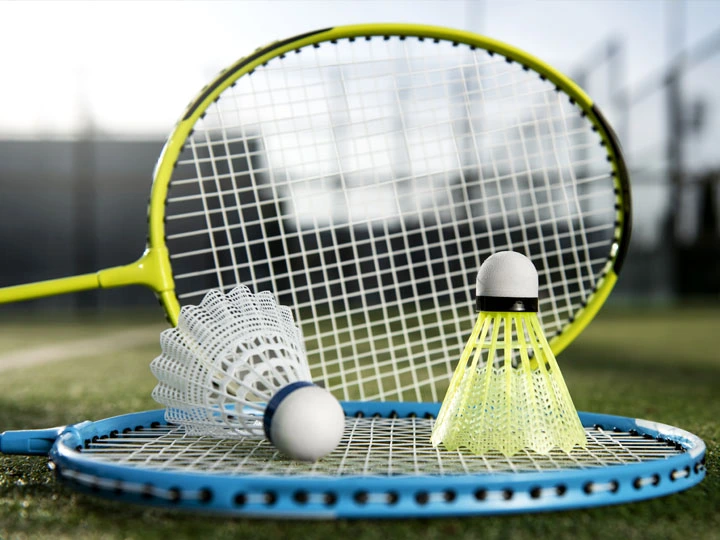
The agility and speed you built in badminton are big assets on the pickleball court. A shuttlecock flies at all kinds of angles, so badminton players react fast, especially during smashes. That quick reaction time really shines during pickleball rallies. Your overhead smashes turn into overhead slams, and your delicate drop shots become the soft dinks that win points near the kitchen. Just remember the pickleball court size and net height are different, so give yourself a little time to recalibrate.
Table Tennis (Ping Pong) to Pickleball
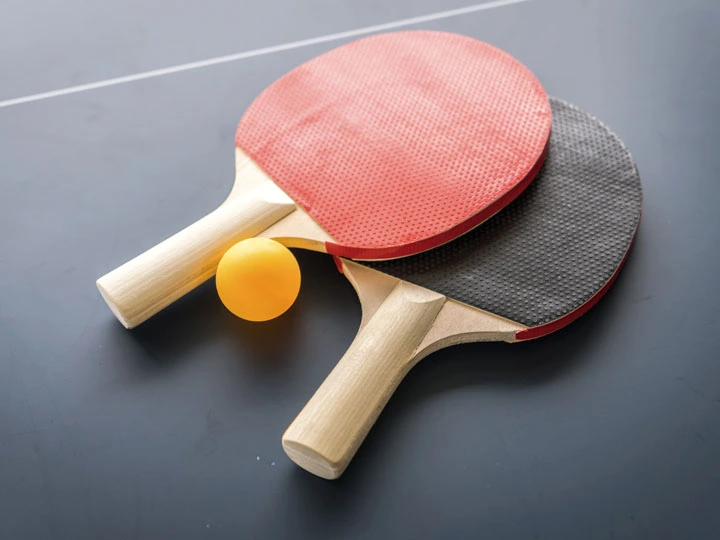
Table tennis is all about wrist action, spin control, and lightning reflexes. Those short, quick rallies you’re used to look a lot like pickleball dinking exchanges at the net. The ability to put spin on the ball is a real strategic edge, cause it makes the ball bounce funny and keeps your opponent guessing. Ping pong players usually pick up the touch game super fast. The main thing to adjust is footwork, since now you gotta move your whole body around a court instead of standing at a table.
Racquetball to Pickleball
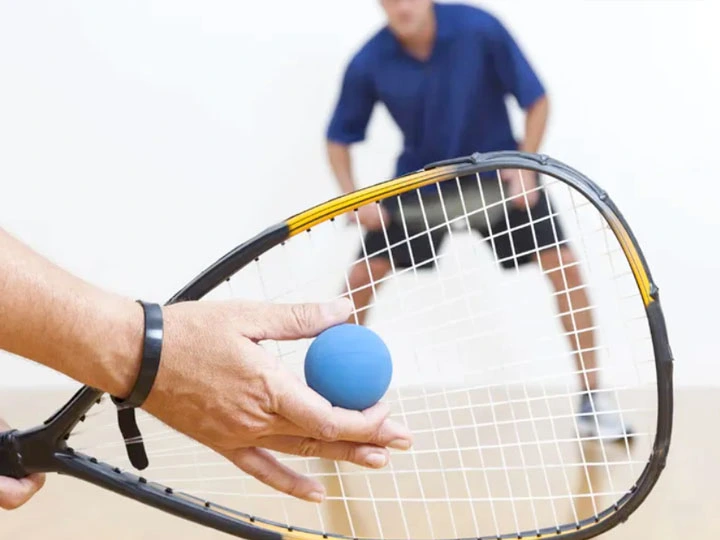
Racquetball courts are enclosed, but the game shares a lot with pickleball. Your power shots, tricky serves, and the smart habit of placing the ball where your opponent ain’t all come in handy. The fast reflexes you built playing in tight quarters are gold during quick pickleball volleys. Racquetball players do have to unlearn hitting off the walls, ’cause there are no walls in pickleball. Once you get past that, your instincts for anticipating shots make you tough to beat.
Squash to Pickleball
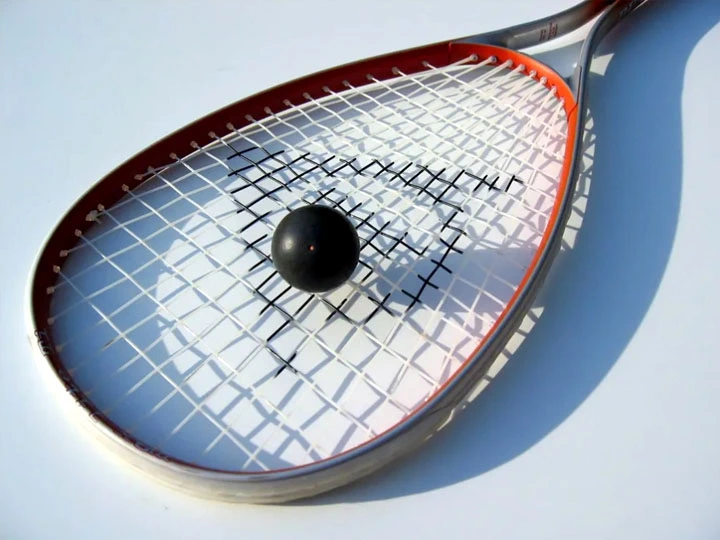
Squash is a game of agility, smart strategy, and real endurance. That confined court trains you to think quick, guess what your opponent’s gonna do, and set up for your next shot. Those same habits pay off in pickleball, where good shot placement is often the difference between winning and losing a point. Squash players tend to have great stamina and court sense, so they adapt to pickleball strategy really naturally.
Platform Tennis to Pickleball
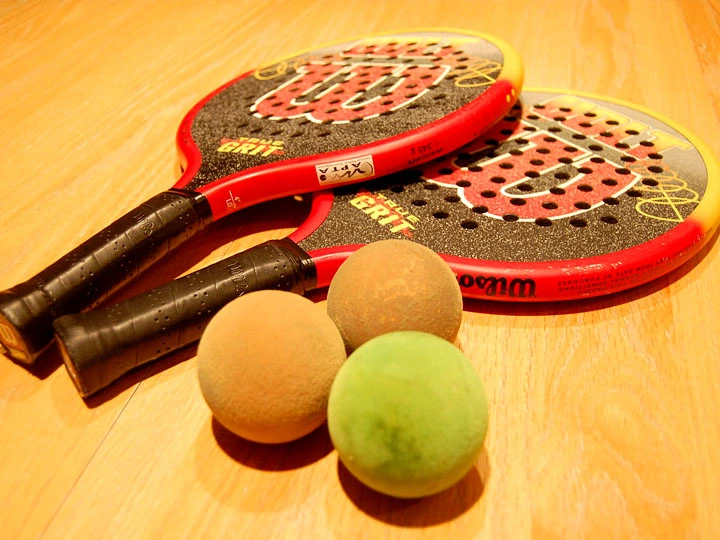
Platform tennis is played in cold weather on raised decks with heated floors, and it shares a bunch with pickleball. The solid paddles are close cousins to pickleball paddles, so the feel is already familiar. Your strategies for volleys, serves, and net positioning carry over. Of all racquet sports, platform tennis players often have the shortest learning curve because the paddle-and-net game is so similar.
Key Differences to Master
Even with all your background, pickleball has a few unique rules you gotta learn. These are the ones that trip up most new players.
- The kitchen, or non-volley zone: This 7-foot area near the net is where you can’t hit the ball out of the air. You gotta let it bounce first. This one rule adds a whole layer of strategy to net play.
- The two-bounce rule: After the serve, the ball must bounce once on each side before anybody can volley. This slows the game down at the start of each point and rewards patience.
- Scoring: Most rec games go to 11, win by 2, and you only score points when your side is serving. Doubles scoring with three numbers takes a little getting used to.
Adapting to Pickleball Equipment — Paddles & Balls
The pickleball paddle and ball are pretty different from the gear in other racquet sports. The paddle is made of composite or carbon fiber materials, so it feels solid instead of strung like a tennis racquet. That gives you a different kind of control. The ball is a plastic wiffle-style ball with holes drilled in it, and it moves slower and bounces lower than a tennis ball or a shuttlecock. Getting used to how the ball comes off your paddle is a big part of the switch.
Coming from tennis, you’ll notice the paddle has no strings to grab the ball, so spin works a bit differently. Coming from table tennis, the paddle feels heavier and longer. Give yourself a few sessions to dial in your timing, and it’ll click.
Recommended Paddle for New Players
For crossover athletes just starting out, a forgiving all-around paddle is your best friend. A great current pick is the JOOLA Ben Johns Hyperion series, a well-reviewed carbon-faced paddle that offers a nice mix of control and power for players advancing in skill. If you want something lighter on the wallet, the Selkirk SLK Halo line is another solid, widely sold option built for comfort and touch. Both are easy to find and popular with players making the jump from tennis and other racquet sports. If you’re not sure what fits your hand and swing, our coaches at I&G Pickleball are happy to help you demo a few before you buy.
Tips for a Smooth Switch
- Soften your swing. Many racquet players hit too hard at first. Pickleball rewards touch and placement near the kitchen.
- Practice the dink. This slow, soft shot into the kitchen is the heart of the game and probably new to you.
- Learn to get to the net safely. Good net position wins points, but respect that two-bounce rule and the non-volley zone.
- Play doubles. Most pickleball is doubles, so learning to work with a partner and cover the court together is huge.
- Take a lesson. A little coaching early on saves you months of bad habits.
How I&G Pickleball Can Help You Get Started
At I&G Pickleball, we love helping racquet sport players make the jump. Whether you’re a tennis regular, a ping-pong shark, or a squash veteran, our lessons and coaching programs are built to translate your existing skills into pickleball wins fast. We break down the kitchen, the two-bounce rule, and the soft game in plain terms so nothing feels confusing.
Beyond one-on-one help, our group clinics and community sessions connect you with other players at your level. It’s a friendly crowd, lots of laughs, and real improvement every week. We serve players of all ages and abilities, from total newbies to crossover athletes chasing tournament play. Come learn the game with people who know it inside and out.
FAQ
Which sport crosses over most easily to pickleball?
Platform tennis usually feels the easiest because the paddle-and-net game is so similar. Tennis and badminton are close behind since they share court movement, net play, and overhead shots. Really though, any racquet sport gives you a strong head start.
Is pickleball easier than tennis?
For most people, yes. The court is smaller, the ball moves slower, the serve is underhand, and the paddle is easy to swing. That’s why many tennis players add pickleball to their routine, especially because they want a game that’s kinder on their knees and joints.
What paddle should a beginner buy?
Start with a forgiving, balanced paddle like the JOOLA Ben Johns Hyperion series or the budget-friendly Selkirk SLK Halo. Both give you a good mix of control and comfort. If you can, demo a couple first. Our coaches can help you pick the right weight and grip for your hand.
How long does it take to get good at pickleball?
Most racquet sport players can rally and play a fun game the first day. Getting solid at the strategy, the dink game, and the kitchen rules usually takes a few weeks of regular play. With coaching, you’ll speed that up a lot.
Bottom line, switching to pickleball from other racquet sports is one of the most rewarding moves you can make. Your old skills carry over, the game is a blast, and the community is welcoming. Ready to get on the court and put those skills to work? Contact I&G Pickleball today and let’s get you playing.
Picture Credit:
1. Tennis
2. Badminton
3. Table Tennis (Ping Pong)
4. Racquetball
5. Squash
6. Platform Tennis
