





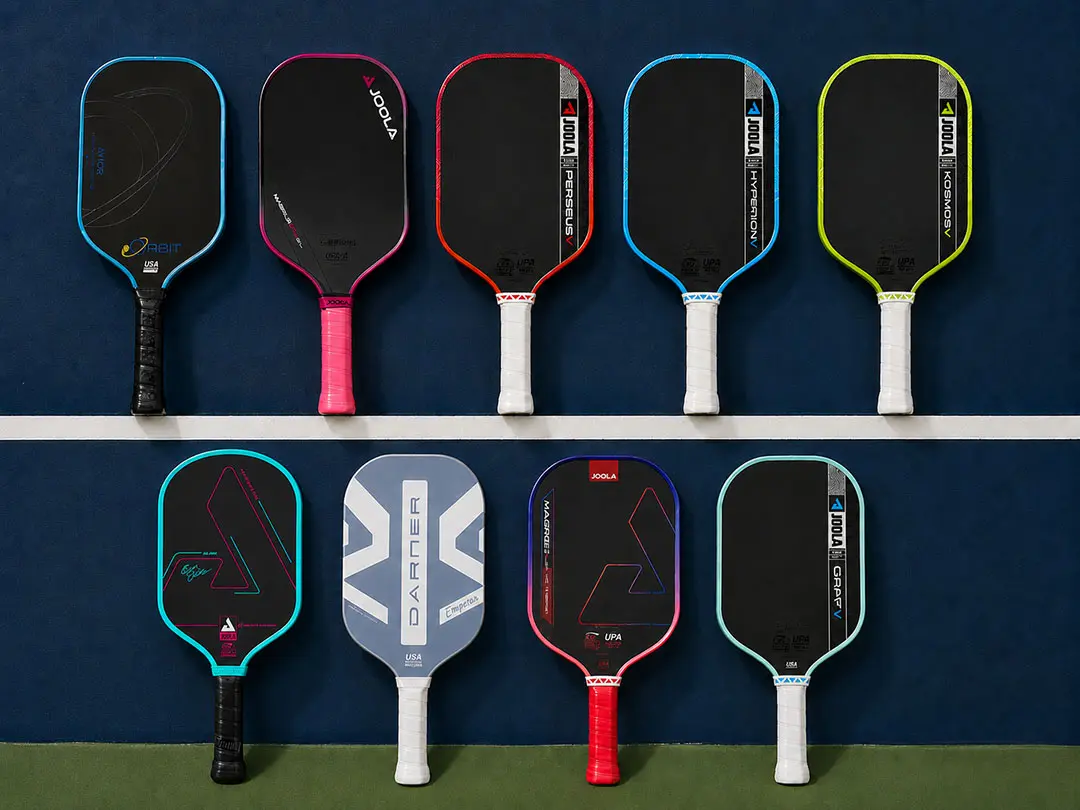
Choosing the right paddle remains one of the most important equipment decisions a pickleball player can make. While skill development, footwork, and strategy all contribute to success on the court, paddle technology continues to evolve and can influence how a player performs. Since this topic was originally discussed, paddle manufacturers have introduced new materials, surface technologies, and construction methods, but the popularity of the 16mm paddle with a carbon surface remains strong among players at nearly every level.
As coaches, we frequently see players improve consistency and confidence simply by switching to equipment that better matches their playing style. A 16mm paddle with a carbon fiber surface remains one of the most versatile options available, offering a balance of control, spin potential, and stability.
Why Paddle Thickness Matters
Paddle thickness affects how the ball reacts at contact. Thinner paddles often generate a faster response and may feel more powerful, while thicker paddles generally provide a softer feel and greater control.
The 16mm paddle has become a popular choice because it helps absorb impact and creates a larger effective sweet spot. Players often notice improved consistency during dinks, resets, drops, and defensive shots. This can be especially beneficial during fast exchanges in the non-volley zone, where control often matters more than raw power.
For newer players, a thicker paddle can make it easier to manage pace. For experienced players, it can also boost confidence when they take precision shots.
The Benefits of a Carbon Surface
Carbon fiber surfaces are now increasingly common in modern pickleball paddle designs. Unlike some traditional fiberglass surfaces, carbon fiber is known for producing a more controlled response while still allowing players to generate spin.
Improved Spin Production
Recent paddle development has focused heavily on spin generation. Many carbon surface paddles now feature textured or raw carbon finishes designed to keep the ball in contact longer. This allows players to create topspin, slice, and controlled placement more effectively.
Spin is no longer reserved for advanced competitors. Recreational players are also using spin to improve consistency, create difficult returns, and keep opponents off balance.
Greater Shot Consistency
One reason many players prefer carbon paddles is predictability. The ball tends to come off the paddle face with a more consistent response, helping players develop confidence in their mechanics. During coaching sessions, we often see players reduce unforced errors when they switch from overly powerful paddles to paddles that emphasize control.
Matching Equipment to Your Playing Style
No paddle is perfect for every player. Some athletes prefer power-focused designs while others prioritize touch and precision. A 16mm carbon surface paddle tends to fit a wide range of playing styles because it offers a balanced combination of attributes.
Players who enjoy strategic play, extended rallies, and controlled shot placement often appreciate the softer feel associated with thicker paddle cores. Those who spend significant time at the kitchen line may find that the paddle helps them manage resets and dinks more effectively.
The Importance of Comfort
Comfort should never be overlooked when selecting a paddle. Weight distribution, grip size, handle length, and paddle balance all influence how a paddle feels during play. A paddle that feels comfortable often allows players to swing more naturally and maintain better control throughout a match.
Testing different paddle models whenever possible can help players identify the combination that best complements their technique and physical abilities.
Current Paddle Trends
Modern paddle technology continues to evolve. Manufacturers are experimenting with advanced core materials, foam perimeter construction, and improved carbon fiber surfaces. Despite these innovations, the 16mm carbon paddle remains one of the most widely recommended options for players seeking versatility.
Many competitive players continue to favor this paddle style because it supports both offensive and defensive play. As equipment evolves, the emphasis on control, spin, and consistency continues to drive paddle development across the industry.
Frequently Asked Questions
What is the advantage of a 16mm pickleball paddle?
A 16mm paddle generally provides a softer feel, increased control, and a larger sweet spot compared to many thinner paddle designs.
Why do players choose paddles made of carbon fiber for pickleball?
Carbon fiber surfaces help create a consistent response while supporting spin generation and controlled shot placement.
Is a 16mm paddle ideal for beginners?
Yes. Many beginners benefit from the added control and forgiveness that a thicker paddle can provide during skill development.
Can a carbon-surface paddle improve spin?
Yes. Many carbon surface paddles feature textured faces that help players generate topspin, slice, and other spin variations more effectively.
Improve Your Pickleball Equipment and Skills
The right paddle can support your development by providing the control, consistency, and confidence needed to execute shots effectively. While no paddle can replace proper instruction and practice, selecting equipment that complements your game can make learning and improvement more enjoyable. A 16mm carbon surface paddle remains one of the most balanced choices available for players who value touch, spin, and all-around performance.
Contact Us Today
Whether you are selecting your first paddle or evaluating new equipment to support your growth as a player, we are here to help. We provide professional instruction, equipment guidance, and player development programs designed to help you enjoy the game and continue improving. Contact us today to learn more about our lessons, clinics, and coaching opportunities.
Picture Source: AI-generated
