



The sun is just starting to dip, and the courts are full. Paddles tap, balls bounce, and laughter carries across the fence. Pickleball has a way of pulling people together. Retirees, teenagers, beginners, and seasoned competitors all share the same space. What keeps this beautiful chaos running smoothly is not just the rulebook. It is etiquette.
Pickleball etiquette is rarely posted on a sign, but you feel it the moment you step onto the court. It is the quiet understanding that everyone is here to enjoy the game, improve a little, and leave feeling welcome.
The First Point of the Day
You walk onto the court with a partner you just met. Maybe you exchanged names, maybe not. The game starts with a friendly nod and a quick good luck. That small gesture sets the tone. Pickleball etiquette begins before the first serve. It lives in respect.
Calling the score clearly is one of the simplest courtesies, yet one of the most important. A clear score avoids confusion, arguments, and awkward replays. When both teams know what is happening, the game flows.
Then there is the serve. A moment of stillness is expected. Bouncing the ball while your opponent is adjusting their position or tying a shoe is not wrong, but waiting is better. Patience shows awareness.
The Rally That Tests Character
The rally heats up. The ball moves fast, especially near the kitchen line. Someone hits a questionable shot close to the line. Silence hangs in the air for half a second.
Good etiquette means calling your own lines honestly. If you are not sure, the ball is in. That rule protects trust, and trust is the backbone of recreational pickleball. Winning a point feels good, but winning it fairly feels better.
When mistakes happen, and they will, a quick apology goes a long way. A lucky net cord winner or a mishit that clips the tape does not require celebration. A simple raised paddle or quiet sorry acknowledges the moment and keeps things friendly.
The Kitchen Is Not Just a Line
The non volley zone is sacred territory. Everyone eventually steps in by accident. Good etiquette means owning it immediately. Calling my fault and replaying the point if necessary prevents tension from creeping in.
More experienced players often notice newer players struggling with kitchen rules. Correcting them kindly, without embarrassment, is part of good sportsmanship. Pickleball grows because people teach, not because they criticize.
The Rhythm of Shared Courts
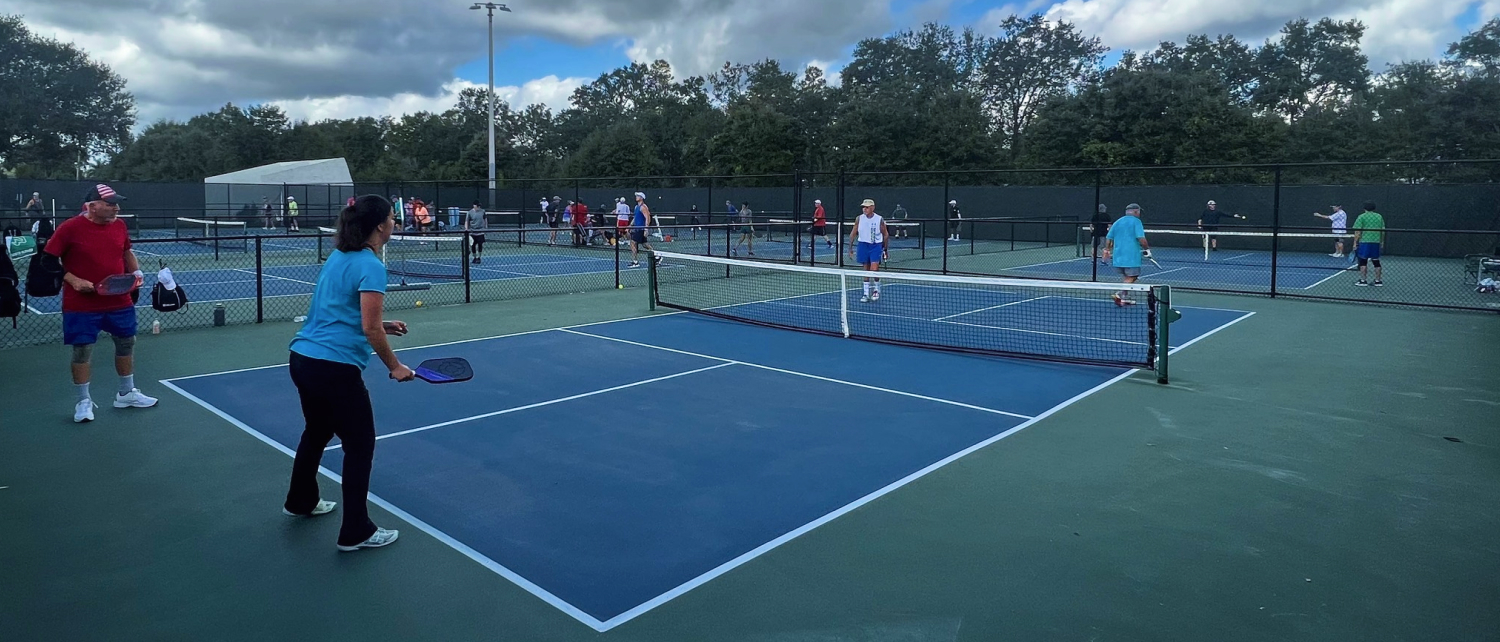
At busy courts, etiquette extends beyond the lines. Rotating games fairly keeps frustration low and smiles high. If people are waiting, finishing your game promptly matters. Long conversations or extended practice sessions during peak times can wait.
Stacking paddles or following local rotation rules shows respect for everyone’s time. Inviting new players into a game, especially those standing alone, strengthens the community. Many lifelong pickleball friendships begin with a simple want to join us?
Partner Play and Positive Energy
Doubles pickleball is a lesson in communication. Encouragement matters more than correction. When your partner misses an easy shot, your response sets the emotional temperature of the game. A calm no worries keeps confidence intact.
Good etiquette means avoiding coaching unless your partner asks for it. What feels helpful to you may feel overwhelming to someone else mid game. Save advice for after the match, or better yet, over water and laughter.
Celebrating great shots from either side of the net is one of pickleball’s quiet joys. Compliments are free, and they build goodwill fast.
Ending the Game the Right Way
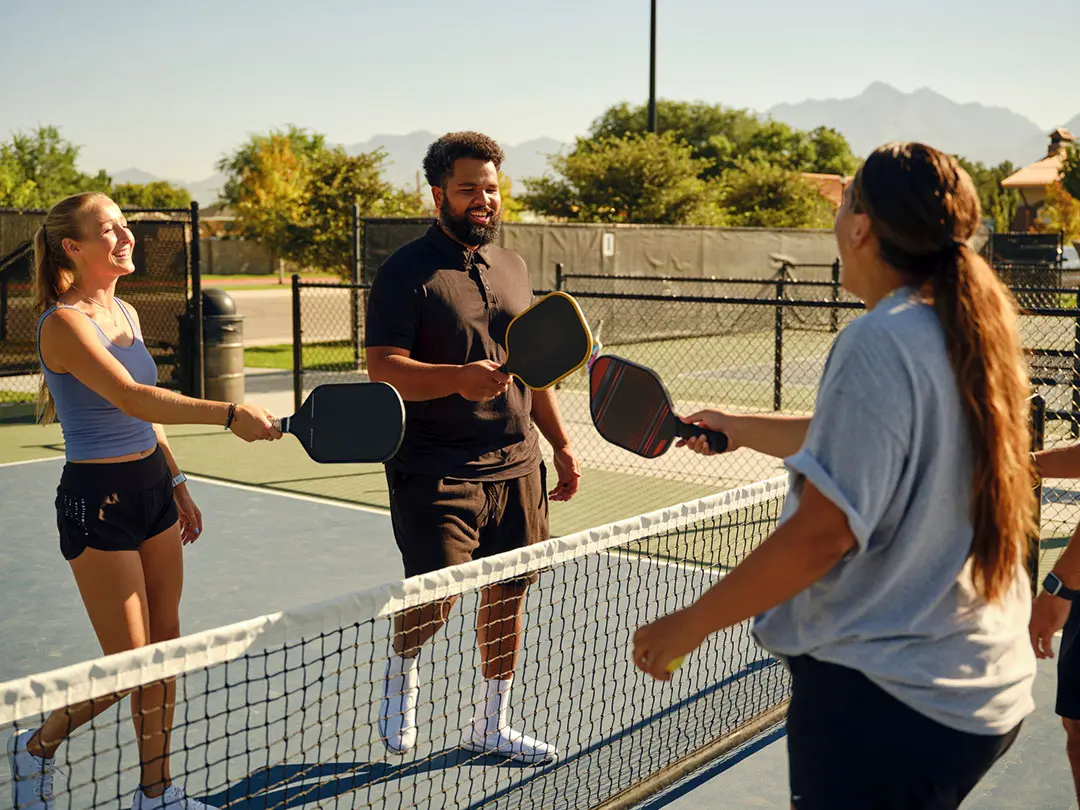
As the final point ends, paddles meet at the net. Eye contact, a handshake or paddle tap, and a genuine good game close the experience. Win or lose, how you leave the court is often what people remember most.
Pickleball etiquette is not about being perfect. It is about being present, considerate, and aware that every player brings their own story onto the court.
When etiquette is practiced, the game becomes more than competition. It becomes connection. And that is why people keep coming back, paddle in hand, ready for the next story to unfold.
Picture Credit: iStock