




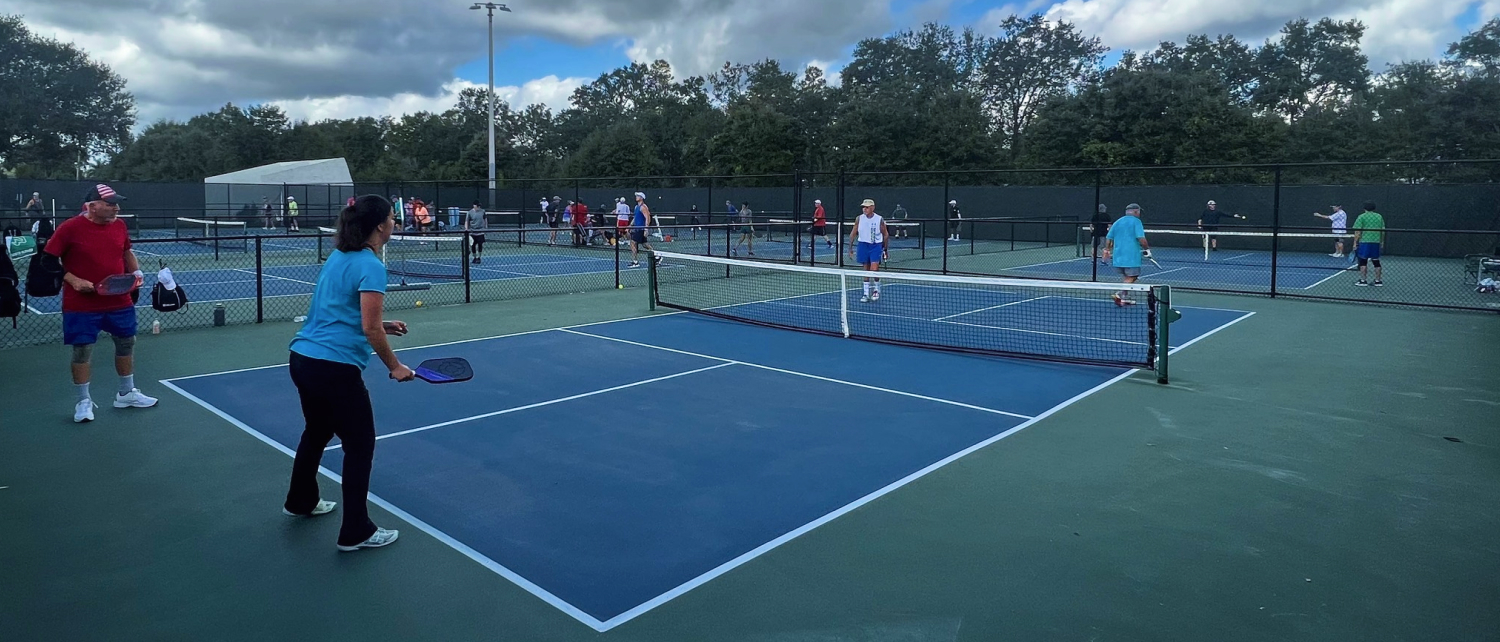
Pickleball has grown from a backyard pastime into one of the most popular recreational and competitive sports in the United States. Players who first pick up a paddle for social fun often find themselves practicing, drilling, and competing several times a week. With that increased play comes a rise in sports related injuries. Some injuries are sudden such as an ankle inversion during a lateral sprint or a hamstring strain caused by an explosive movement toward the kitchen. Other injuries are gradual such as golfer’s elbow, rotator cuff tendinitis, patellar irritation, or plantar fascia discomfort. Traditional recovery strategies still matter. Athletes must rest, manage inflammation, and correct movement patterns. In recent years another layer of recovery has attracted the attention of athletes, physicians, and researchers. This layer involves the use of peptides.
Peptides are not mystical shortcuts. They operate at a cellular level to influence biological repair systems already present in the body. Understanding peptides requires context. To appreciate why they are discussed so often among tennis, pickleball, and combat sport athletes, we need to examine their scientific history, mechanisms, and limitations. This article explores the field of peptide based injury remediation, specifically through the lens of pickleball players who want to heal with strategy rather than desperation.
The Early Scientific History of Peptides
The story of peptides begins with amino acids. These molecules are the building blocks of proteins and are involved in nearly every biological process. When two or more amino acids connect through peptide bonds they form a peptide chain. These chains may be short or moderately long. Most peptides range from two to about fifty amino acids. When the sequence extends far beyond that size and folds into complex shapes, the molecule becomes a protein.
By the late nineteenth century, scientists understood that life was governed by chemistry. German chemist Emil Fischer became one of the most influential figures in this effort. He confirmed how amino acids bind to one another and proposed models for peptide synthesis. His research earned the Nobel Prize in Chemistry in 1902. Fischer demonstrated that peptides could be created and studied in isolation. The implication was immense. He showed that molecules resembling those found in nature could be replicated in laboratories.
The next major milestone came from the field of endocrinology. In the 1920s, insulin became the first major therapeutic peptide administered to humans. Patients with diabetes received it as a lifesaving treatment. For the first time a peptide moved beyond theoretical chemistry and into real clinical benefit. As the twentieth century unfolded, scientists discovered that the human body produced many peptides naturally. Some of these regulated growth. Some supported immune defense. Others influenced appetite, collagen synthesis, or nerve function.
From the 1960s through the 1990s peptide research accelerated. New laboratory methods allowed scientists to isolate natural peptides or design new ones with improved stability and structure. Pharmaceutical companies began exploring peptides that could influence wound healing or organ repair. Immune peptides attracted attention during global viral outbreaks. Cosmetic biochemistry focused on peptides that influenced skin elasticity and extracellular matrix quality. The more researchers learned the more they realized that peptides are not simply miniature proteins. They are signals. They are chemical messages that tell cells how to behave.
Why Peptides Matter for Musculoskeletal Injury
To understand the appeal of peptides in sports contexts, one must look closely at how injury appears in pickleball athletes. The movements of the game are deceptive. Pickleball seems less physically intimidating than tennis due to the smaller court. Yet the game demands acceleration, deceleration, direction changes, twisting, lunging, overhead power, and reflexive net exchanges. The short court encourages constant micro sprints. The compact paddle encourages aggressive wrist actions. These elements create significant stress on tissue.
Muscles, ligaments, and tendons operate as an integrated network. When a player initiates a wide split step, loads the quadriceps, and pushes laterally into a cross court dink, tendons and fascia are loaded like springs. The tendon is not fragile. It is a collagen dense rope designed to transfer force. However, tendons have limited blood supply. They do not repair easily when repeatedly stressed. Chronic overload leads to micro tears. Fibroblasts attempt to repair these tears by forming collagen, but the fibers often organize in random patterns rather than parallel bundles. The result is stiffness and pain.
The body’s natural response to injury relies on peptides. They direct immune cells to clear debris. They stimulate fibroblasts to reorganize collagen. They regulate angiogenesis to improve blood supply to injured regions. In other words, peptides are not foreign invaders. They are part of the communication system that tells your body how to heal itself. When an athlete uses exogenous peptides, they are not adding a new ingredient to the body. They are amplifying messages the body already sends.
Categories of Peptides Often Discussed in Athletic Recovery
It is important to emphasize that regulations vary by country and region. Some peptides are approved in specific clinical settings. Others remain research compounds. The following discussion is educational only.
BPC 157
BPC stands for Body Protection Compound. It is derived from a protein found in gastric fluids. In laboratory studies BPC 157 has demonstrated ability to influence tendon healing, wound closure, and blood vessel formation. It appears to promote nitric oxide signaling, known to regulate vasodilation and tissue remodeling. Tendons treated with BPC 157 in experimental models tend to organize collagen in more structured alignment. This may reduce the likelihood of scar tissue and excessive inflammation. Many athletes hear about BPC 157 when persistent elbow pain, Achilles discomfort, or plantar irritation resists conventional approaches.
TB 500
TB 500 is a synthetic fragment of the naturally occurring peptide thymosin beta 4. It was originally studied in cardiac tissue and wound repair. Thymosin related peptides influence actin regulation which is fundamental to cell migration and organization. When tissue experiences injury, cells need to move toward the damaged zone. TB 500 is theorized to support that migration and assist stem cell activity. In athletic spaces, it is typically discussed in the context of multi site injury or systemic muscular strain. It aims to improve the environment for regeneration rather than target one isolated tendon.
GHK-cu
GHK CU consists of three amino acids that bind copper ions. This peptide is naturally present in plasma, saliva, and tissue fluids. It has been studied extensively in dermatology because it stimulates collagen production, enhances skin elasticity, and increases angiogenesis. In musculoskeletal repair, GHK CU may influence extracellular matrix remodeling. It has a dual role. It acts as a protective antioxidant and signals fibroblasts to rebuild damaged structures. Athletes sometimes use it in topical form for scar remodeling or in other delivery formats for connective tissue support.
Thymosin Alpha 1
Thymosin alpha 1 is distinct from TB 500. It is more involved in immune regulation than mechanical tissue repair. Athletes may consider it when inflammation is dysregulated or when they repeatedly get sick during heavy competition cycles. An impaired immune system reduces recovery efficiency. A player who constantly battles infections or overtraining symptoms may fail to repair collagen despite adequate loading. This peptide has been studied in immune compromised conditions, viral challenges, and chronic inflammatory states.
Growth Hormone Releasing Peptides
Compounds such as CJC 1295 and Ipamorelin belong to a different category. Rather than targeting injured tissue directly, they stimulate the body to release its own growth hormone. Growth hormone influences muscle recovery, bone density, lipolysis, and deep sleep. Because sleep and cellular regeneration are intimately connected, some athletes investigate these peptides when they feel depleted or stuck in perpetual soreness. However, peptides that influence endocrine systems must be approached carefully. Hormonal imbalance can affect blood glucose, cardiovascular variables, and other pathways.
The Biological Phases of Healing
Peptides interact with the three primary phases of tissue recovery.
The first phase is inflammation. After injury, neutrophils and macrophages arrive. They remove damaged cells and foreign matter. Inflammation is not a mistake. It is a controlled biological cleanup. Problems arise when inflammation becomes chronic. At this stage peptides that regulate immune activity may mitigate runaway signaling without shutting down the necessary initial response.
The second phase is proliferation. Fibroblasts create collagen. Angiogenesis increases blood supply. The extracellular matrix begins to form a scaffold. Peptides that promote fibroblast function or vascularization can be valuable during this period. They influence alignment, oxygen delivery, and nutrient transport.
The third phase is remodeling. Tissue reorganizes based on physical stress. Collagen cross links strengthen in the direction of force. This is why movement therapy matters. If a player immobilizes without structured loading, collagen forms randomly and remains weak. When properly loaded, fibers align like cables. Peptides that promote orderly remodeling may support this transition from fragile repair to durable performance.
The relationship between peptides and physical therapy is synergistic. A peptide may accelerate the underlying biological processes, but only movement teaches the tissue how it will be used. Without structured loading, no chemical messenger can create long term resilience.
Practical Integration in an Athlete’s Recovery
Peptides should never replace foundational recovery strategies. Sleep is the most powerful regenerative agent the human body possesses. During deep sleep the pituitary gland releases growth hormone, cells repair mitochondrial damage, and connective tissue receives signals to rebuild. A pickleball player who sleeps five hours and expects peptides to compensate is ignoring physiology.
Nutrition is the second pillar. Tendons require amino acids such as glycine and proline. Collagen assembly depends on vitamin C. Magnesium supports neuromuscular function and helps reduce cramping and nerve irritation. Omega three fatty acids modulate inflammation and support cellular membranes. Peptides cannot create collagen without raw materials. They can signal fibroblasts to act, but fibroblasts cannot fabricate tissue from nothing.
Movement therapy shapes the remodeling phase. Rest may soften inflammation but cannot restore mechanical integrity. Graded loading, eccentric exercises, range of motion work, and motor pattern corrections teach tissue how to behave. Coaches and physiotherapists develop progressions that respect pain levels and build capacity. A peptide protocol without mechanical discipline is misguided.
Quality and oversight are vital. Peptides produced under substandard conditions may be contaminated. Injections require sterile technique. Topical or oral delivery formats have different absorption profiles. Regulation varies internationally and regionally. Consultation with a qualified medical professional protects the athlete from unsafe practices.
Limitations and Realistic Expectations
Many athletes discover peptides after months of frustration. They want their shoulder healed in two weeks. They want chronic patellar discomfort to vanish before a tournament. These expectations lead to disappointment. Peptides can expedite healing, not rewrite anatomy. Results often appear gradually. Some individuals respond strongly while others experience mild or negligible benefits. Recovery is influenced by genetics, age, training history, nutrition, sleep quality, and underlying medical conditions.
Pickleball players over sixty have unique physiological considerations. Their tendons are more brittle. Their hormonal environment is less anabolic. Bone density may be reduced. Healing can still occur, yet timelines extend. Patience and consistency remain the foundation.
FAQs
Are peptides legal for recreational pickleball players?
Regulations vary. Casual athletes usually face fewer restrictions than professionals. Some peptides are prescription medications while others are sold only as research compounds. Always consult local laws and competition guidelines before considering any peptide.
Can peptides completely cure tendon injuries?
Peptides may support biological healing but are rarely complete solutions. Tendon pathology is mechanical. Without proper loading, movement training, and nutritional support, peptides will not resolve the underlying dysfunction.
How long does it take to see improvement?
Timeframes vary based on injury severity, age, training load, and individual physiology. Some athletes report improvements within several weeks. Others require several months. If no progress occurs after a professional trial, reevaluation is warranted.
Are peptides safer than corticosteroid injections?
Steroids suppress inflammation rapidly but may weaken connective tissue when overused. Peptides generally aim to promote healing, not mask pain. Safety depends on the compound, dosage, and medical oversight.
Can peptides be used with supplements such as magnesium or omega three?
Yes. Supplements often support the physiological environment peptides work within. Omega three fatty acids assist inflammatory balance. Magnesium supports neuromuscular stability. Adequate dietary protein provides amino acids required for collagen synthesis. Inform your clinician of all substances you are taking.
Do peptides affect heart rate or cardiovascular health?
Some peptides, particularly those influencing growth hormone pathways, may affect fluid balance or metabolic rate. Others appear neutral. Monitor your heart rate and overall wellbeing and consult your clinician if changes occur.
Final Thoughts
Peptides are a modern extension of a century of biochemical research. They are not shortcuts. They amplify signals that guide the body’s natural healing. When paired with responsible training, adequate sleep, balanced nutrition, and professional supervision, they may help pickleball athletes recover from persistent injuries or slow recovery cycles. They exist on a spectrum between passive rest and aggressive intervention. They reflect the idea that the body is not a static machine but a dynamic ecosystem that responds to signals.
Peptides should be respected. Their benefits are real, but so are their risks. They serve those who understand them, study them, and integrate them thoughtfully into a larger wellness plan.
Disclaimer
The information provided in this article is for educational and informational purposes only and should not be interpreted as medical advice. Peptides, supplements, exercise programs, and injury rehabilitation strategies should only be used under the supervision of a qualified healthcare professional. Always consult your physician or licensed medical provider before beginning any treatment, therapy, or supplementation protocol.
References
- Almeida JR. “The Century-Long Journey of Peptide-Based Drugs.” Frontiers in Pharmacology, 2024. PMC full text: https://pmc.ncbi.nlm.nih.gov/articles/PMC10967573/ PMC
- Chang CH et al. “Pentadecapeptide BPC 157 Enhances the Growth Hormone Receptor Expression in Tendon Fibroblasts.” Journal of Applied Physiology, 2014. PMC full text: https://pmc.ncbi.nlm.nih.gov/articles/PMC6271067/ PMC
- Cushman CJ et al. “Local and Systemic Peptide Therapies for Soft Tissue Injuries.” 2024. PMC article: https://pmc.ncbi.nlm.nih.gov/articles/PMC11426299/ PMC
- Pickart L. “Regenerative and Protective Actions of the GHK-Cu Peptide.” International Journal of Molecular Sciences, 2018. PMC full text: https://pmc.ncbi.nlm.nih.gov/articles/PMC6073405/ PMC
- Vecchio I et al. “The Discovery of Insulin: A Critical Milestone in the History of Peptide Medicine.” Journal of Diabetes & Metabolic Disorders, 2018. PMC article: https://pmc.ncbi.nlm.nih.gov/articles/PMC6205949/
Picture Source: AI-generated
