



A Growing Trend for Active Adults
Staying physically active becomes one of the most valuable investments a person can make after the age of fifty five. Many longtime tennis players have used the sport to stay fit, maintain social connections, and enjoy healthy competition. However, as the body ages, the physical demands of tennis can start to feel more intense and more difficult to manage. Recovery becomes slower, joints feel stiffer, and explosive movements may lead to soreness or injury. These natural changes have encouraged many adults to explore alternatives that still offer strategy, fun, and athletic satisfaction without unnecessary strain.
Pickleball provides that balance, which is why it has become one of the fastest growing sports in the United States. It has gained enormous popularity among adults over fifty five because it offers a familiar feel to tennis yet maintains a much more sustainable level of physical demand. The sport supports mobility, strength, and endurance while minimizing joint stress and recovery time. For many players, pickleball becomes not only an enjoyable pastime but also an essential part of maintaining long term health and well being.
Reduced Impact on Joints
One of the strongest reasons adults switch from tennis to pickleball is the significantly reduced impact on joints and connective tissue. Tennis requires constant lateral movement, high speed sprinting, overhead strokes, and rapid shifts in direction. These movements generate high forces on the knees, hips, ankles, and shoulders. Over years of play, the cumulative strain can lead to conditions such as meniscus tears, tendonitis, shoulder impingement, plantar fasciitis, and lower back discomfort.
Pickleball immediately reduces these risks. The smaller court requires less running and fewer explosive movements. Players spend more time in controlled footwork and balanced positioning rather than long chases or sudden stops. The underhand serve eliminates repeated overhead motion, which is especially helpful for players with shoulder issues. This lower impact design allows adults to remain active without aggravating old injuries or developing new ones. As a result, former tennis players often report less pain, less stiffness, and fewer interruptions to their fitness routine.
Lighter Equipment and Easier Control
Equipment weight plays an important role in long term joint health. Tennis racquets require more force to swing, and fast ball speeds translate significant impact into the arm. Players with wrist, elbow, or shoulder sensitivities may feel discomfort after long tennis matches.
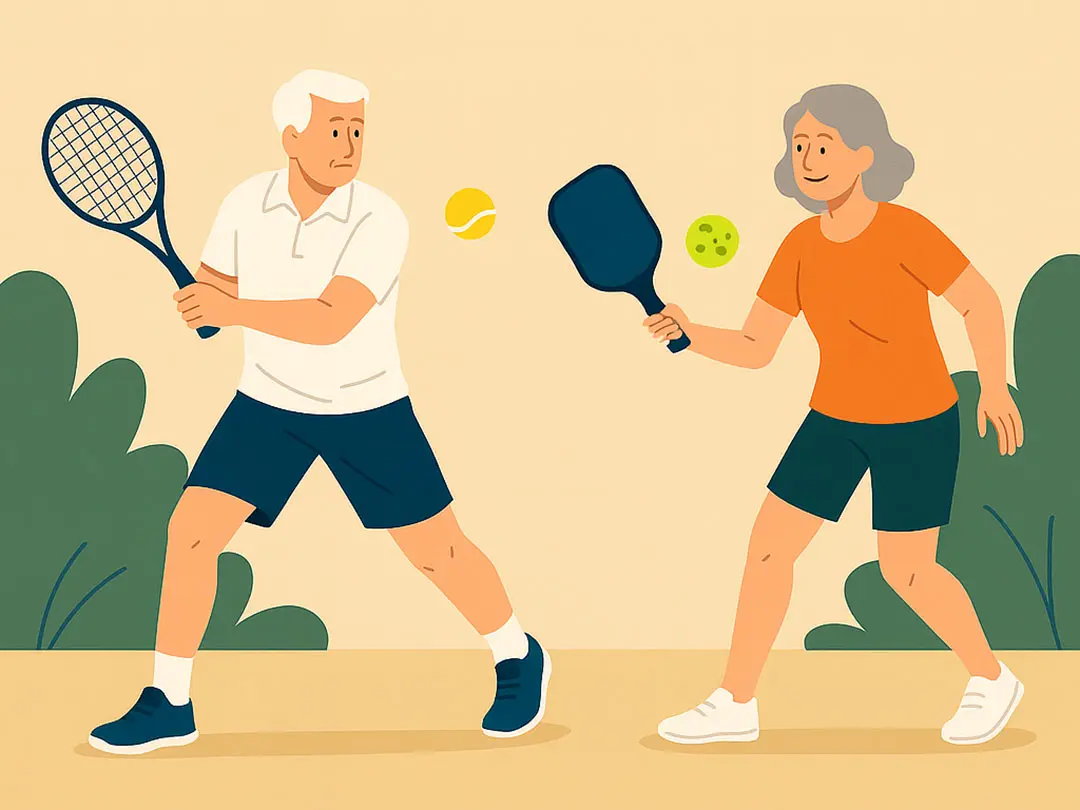
Pickleball paddles are much lighter, easier to maneuver, and more forgiving on the body. The ball travels at slower speeds, which reduces impact on the arm during returns. Players can maintain power and control without the muscular force that tennis demands. Many adults report dramatic improvements in arm comfort after switching to pickleball. This easier equipment makes the sport accessible to people of all fitness levels and encourages long sessions without physical exhaustion.
Consistent Activity Without Overexertion
While tennis requires bursts of intense effort followed by slower periods, pickleball creates a more balanced rhythm. The smaller court encourages steady movement, thoughtful positioning, and continuous yet manageable activity. This consistent pacing keeps the heart rate elevated in a safe range that supports cardiovascular fitness without overwhelming the body.
Adults over fifty five often find that they can play pickleball for several hours and feel energized rather than drained. The sport promotes endurance and mobility without the taxing recovery times associated with high intensity tennis matches. For individuals who want to maintain an active lifestyle throughout their sixties and seventies, this balanced activity is a major advantage.
A Highly Social Environment
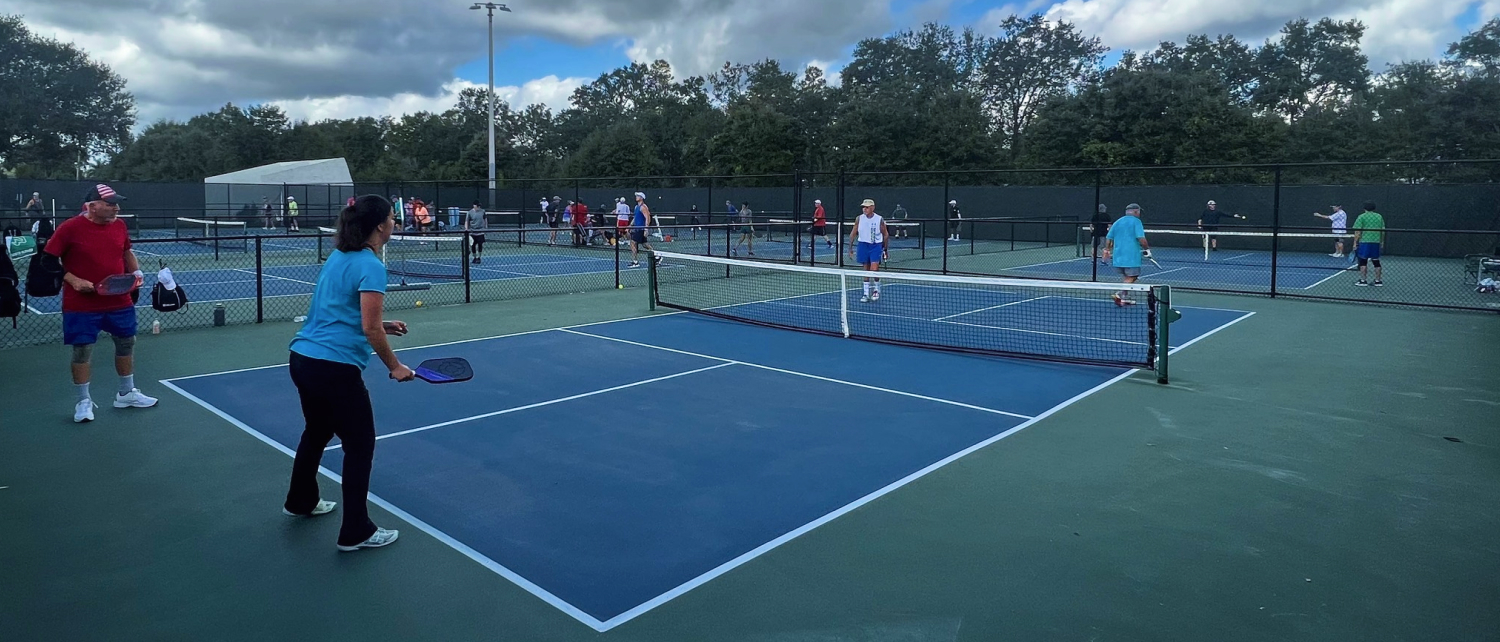
Pickleball is famous for its warm and welcoming community. Because most games are played in doubles format, it naturally creates opportunities for conversation, teamwork, and social connection. Games are short, rotations are frequent, and players of all ages and backgrounds mix easily. Adults who join local pickleball groups often say that the social aspect improves their emotional well being as much as the physical exercise improves their health.
For people over fifty five, staying socially engaged is proven to support cognitive health, reduce stress, and enhance overall happiness. Pickleball brings people together and fosters friendships that extend far beyond the court.
A Smooth Transition for Tennis Players
Tennis players adapt quickly to pickleball because many fundamental skills transfer seamlessly. Timing, racquet awareness, footwork, and strategic thinking all help players progress rapidly. Although pickleball has its own rules and nuances, tennis athletes often feel confident from the first session.
This smooth learning curve boosts motivation and encourages consistent participation. For many adults, pickleball revives their competitive spirit in a new and enjoyable way. They can still experience the thrill of long rallies, clever shot placement, and strategic movement without the wear and tear of full size tennis courts.
Faster Recovery and Less Downtime
Recovery becomes increasingly important with age. A tough tennis match may lead to soreness that lasts several days, limiting the ability to stay active. Pickleball’s reduced physical intensity results in much faster recovery. Players can participate multiple times per week and maintain steady activity without long breaks.
This consistent movement supports metabolic health, muscle maintenance, flexibility, and overall mobility. Because pickleball is easier to integrate into a weekly schedule, it becomes a sustainable cornerstone of healthy aging.
Cognitive and Coordination Benefits
Pickleball challenges the mind as much as the body. The sport requires rapid decision making, precise timing, quick reflexes, and hand eye coordination. These cognitive demands help maintain mental sharpness and support healthy brain function. For adults over fifty five, activities that stimulate both physical and cognitive skills are especially important for long term neurological health.
Additionally, improved coordination contributes to better balance and reduced fall risk, which is a significant factor in aging wellness.
Accessibility and Affordability
Pickleball is one of the most accessible sports for older adults. Courts are widely available, equipment is affordable, and local clubs offer beginner friendly sessions. You do not need formal lessons to start playing, and most communities welcome newcomers with enthusiasm.
The sport’s low barrier to entry makes it ideal for individuals seeking a simple and enjoyable way to stay active. This accessibility has played a major role in pickleball’s rapid growth.
Long Term Sustainability
Many players in their sixties, seventies, and even eighties enjoy pickleball regularly. The sport adapts easily to different fitness levels, allowing participants to stay active for decades. Because of its strategic nature, pickleball remains fun and engaging even as physical capabilities evolve. Adults who switch from tennis often find that pickleball allows them to continue playing a competitive and social sport far longer than they expected.
A Smart and Enjoyable Choice
Switching from tennis to pickleball after age fifty five is not about giving up athletic ability. It is about choosing a sport that supports long term health, comfort, and enjoyment. Pickleball offers less joint stress, lighter equipment, steady movement, shorter recovery times, mental stimulation, and a vibrant social environment. For many players, it becomes one of the most rewarding lifestyle changes they make in their later years.
Frequently Asked Questions
Is pickleball easier to learn than tennis?
Yes. Because the movements are smaller, the paddle is lighter, and the rules are simple, most players pick it up quickly.
Is pickleball safer for older adults?
Generally yes. The reduced court size and lower physical demands minimize joint strain and impact injuries.
Can pickleball improve cardiovascular health?
Yes. The sport provides steady aerobic exercise that strengthens the heart and supports endurance.
Does pickleball help with balance and coordination?
Absolutely. The sport requires precise footwork and quick reactions that strengthen neuromuscular control.
Can tennis players still enjoy competition in pickleball?
Yes. Pickleball offers tournaments, leagues, and competitive play opportunities at all levels.
Is pickleball a good long term sport for aging adults?
Very much so. It is low impact, strategic, and adaptable to many fitness levels.
References
- USA Pickleball Association. https://usapickleball.org
- Journal of Aging and Physical Activity. https://journals.humankinetics.com/journal/japa
- National Institute on Aging. https://www.nia.nih.gov/health/exercise-physical-activity
- Centers for Disease Control and Prevention. https://www.cdc.gov/physicalactivity
Picture Source: AI-generated
