



In pickleball, solid strokes and quick reflexes matter, but communication between partners often decides who controls the match. Many recreational players focus only on technique and forget that doubles is a shared tactical game. Talking strategy with your partner, both before points and during natural pauses, creates clarity, confidence, and smarter shot selection. Whether you are playing competitive league matches or open play at your local courts, purposeful communication transforms two individuals into one coordinated team.
Why communication changes the outcome
When partners stay silent, confusion quickly appears. Players hesitate on middle balls, both chase the same shot, or neither moves forward. These mistakes rarely come from lack of skill. They come from lack of shared intention. A simple agreement such as “you take middle forehands” or “I will poach when the return floats” removes hesitation. Once roles are clear, reactions become automatic.
Communication also reduces frustration. Many unforced errors feel personal when nothing has been discussed. If a partner suddenly drives every third shot or lobs unexpectedly, the other player may feel caught off guard. Talking strategy keeps both players mentally aligned and prevents emotional tension that can hurt performance.
What to discuss before the first serve
Strong teams begin communication before the match even starts. Early conversation should stay simple and practical. Decide who covers lobs on each side. Agree how aggressive you want to be at the kitchen line. Clarify who prefers to return crosscourt and who likes to drive returns. These are small decisions, but they eliminate early uncertainty.
Another important topic is movement philosophy. Some teams prefer stacking pressure at the net. Others play more patient transition zones. If both players understand the shared approach, positioning becomes smoother and court coverage improves immediately.
In match communication that actually helps
Talking during a match does not mean constant chatter. The most effective communication happens in short, focused moments between rallies. Use quick phrases such as “watch the speed up,” “backhand weak,” or “serve deep to her.” These short reminders keep both players alert without overloading information.
Timeouts and side changes are perfect moments to adjust strategy. If opponents are targeting one player’s backhand, acknowledge it calmly and decide how to respond. Perhaps shift court positioning slightly or increase crosscourt dinks to regain control. The key is collaborative problem solving rather than silent endurance.
Positive reinforcement is just as important as tactical talk. Saying “good leave,” “nice setup,” or “great patience” reinforces good habits and keeps confidence high. Doubles teams that support each other mentally often outlast technically stronger but disconnected opponents.
How coaches teach partner strategy habits
Experienced coaches emphasize communication drills during practice, not only mechanics. Players may practice calling “mine” on middle balls, announcing “bounce” on deep shots, or verbally signaling planned poaches. These habits must become natural before match pressure begins.
Structured partner discussions are also common in coaching sessions. Players review what worked, what failed, and what adjustments improved results. Over time, this builds strategic awareness and teaches athletes to think as a pair instead of as individuals sharing a court.
Turning communication into a competitive advantage
The biggest mistake players make is assuming strategy discussions slow the game down. In reality, the opposite is true. Clear communication speeds decision making, reduces panic, and improves anticipation. Teams that communicate well move earlier, cover better, and attack more decisively.
Next time you step onto the court, treat partner communication as part of your game plan, not an optional extra. Agree on basic tactics, share quick observations, and support each other between points. You will often discover that smarter conversation wins more rallies than harder hitting.
Why working with a coach accelerates partner strategy
While good communication can be learned through experience, structured coaching dramatically speeds up the process. A qualified pickleball coach helps partners understand positioning, shot selection, and in-match communication habits that most recreational players never formally learn. Through guided drills, real match simulations, and tactical feedback, players quickly develop the confidence to talk strategy clearly and make smarter decisions under pressure. If you want to improve your doubles results, build stronger partner chemistry, and learn proven match strategies, consider training with Coach Igor. For professional pickleball coaching, group lessons, and strategy-focused sessions, visit https://igpickleball.com/ or call 813-444-7930 to schedule your session and start playing smarter together.
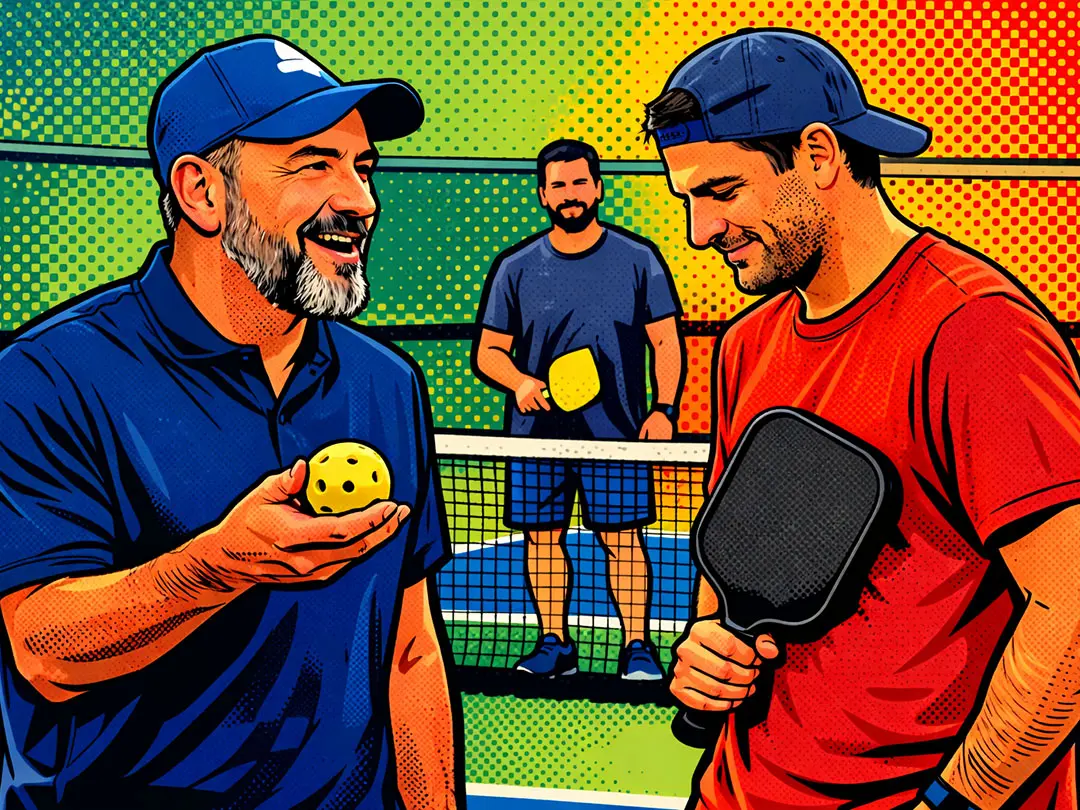
Picture Source: AI-generated
