



Pickleball is athletic and strategic, making it attractive to players of all ages. Many beginners look to hit harder drives or finish points with overheads, but the experienced player knows success often begins with a much softer shot. One of the core skills of pickleball, the dink helps players control rallies, create offensive opportunities, and limit an opponent’s ability to attack. At I&G Pickleball, we teach players that mastering the dink builds the foundation for a fuller game. Whether you’re learning beginner pickleball lessons or preparing for competitive play, developing a reliable dink will enhance your consistency, confidence, and overall awareness on the court. Today’s coaching trends still emphasize dinking as a core skill because it builds touch, patience, and decision-making that carry over to just about everything else in the game.
Why Does Dinking Matter So Much in Pickleball?
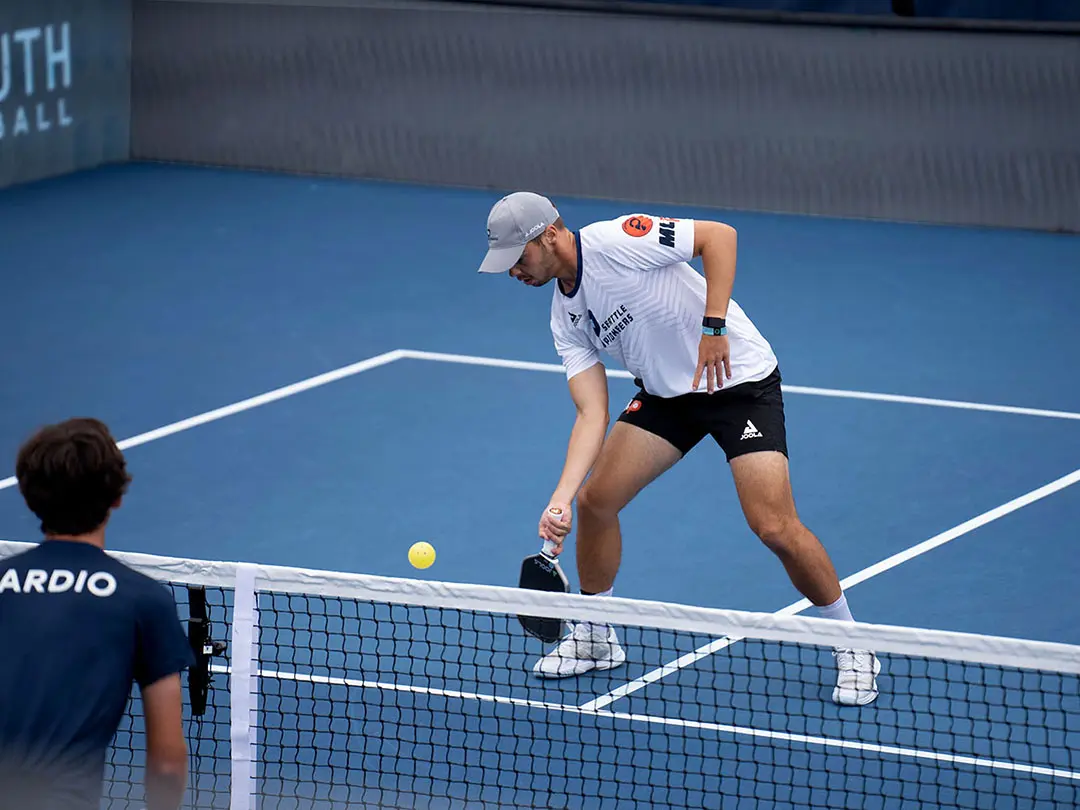
Pickleball differs from many racquet sports in that it rewards players who can control the pace of a rally, not just the most powerful players. A good dink is one that lands softly inside the opponent’s non-volley zone, often called the kitchen, so they have to hit up and can’t attack aggressively.
This simple shot changes the tempo of the point. Both teams focus on better positioning and waiting for their chance to speed up the ball, rather than trading quick drives. Players who get comfortable dinking find they make fewer unforced errors and create more opportunities to win points through smart shot selection rather than just power.
The competition heats up, and the exchanges in the kitchen grow longer and more tactical. In professional games, players know that patience is key and that long dinking rallies can unfold before either team decides to attack, because it often leads to higher-percentage chances.
How Do You Develop an Effective Dink?
Start With Proper Technique
We all need to start with a solid foundation. We encourage players to adopt a balanced athletic stance with the paddle in front of the body and knees comfortably bent. Most of the motion should come from the shoulder, and the wrist should be relaxed. A smooth follow-through when contacting the ball in front of the body will help produce a consistent trajectory that clears the net yet remains difficult to attack.
Many new players attempt to flick the ball by using too much wrist. This method can sometimes work, but it usually results in inconsistent ball placement and unnecessary pop-ups that skilled opponents can easily put away. A small controlled motion gives far more reliable results.
Focus on Placement Instead of Power
The dink’s point is not just to get the ball back. Purpose is what every dink must have. Get the ball close to your opponent’s feet or at an angle to their backhand so that they are moving off balance. This will create opportunities later in the rally.
You develop this level of control, and the players learn to think one or two shots ahead rather than reacting to each ball. It is this strategic mindset that separates players who are developing from those who just play on athletic ability.
How Does Dinking Improve Your Overall Game?
Many players think that dinking is only successful in kitchen rallies. Indeed, learning this shot will improve just about every aspect of your pickleball game.
Better Touch and Ball Control
Drilling dinks develops soft hands and paddle control. The more comfortable players are with pace control, the better they are at resets, third-shot drops, blocks, and defensive shots.
Smarter Decision-Making
Dinking builds patience. Players are taught to identify high-percentage opportunities rather than forcing difficult attacks and to eliminate unforced errors. That often means longer rallies, better positioning, and more consistent results against tougher competition.
Greater Confidence at the Kitchen Line
Many beginners tend to hang around the non-volley zone because they get uncomfortable during quick rallies. Daily dinking practice builds players’ confidence at the kitchen line and helps them stay in the point longer and respond better when opponents try to speed up the game.
Should Beginners Practice Dinking Early?
Some recreational players feel that beginners should learn only drives and serves before they start to learn the soft game. There is definitely room for powerful shots, but teaching dinking early helps players develop good mechanics from the beginning.
Starting with controlled shots helps players develop better paddle control, footwork, balance, and consistency before adding power. Players who learn these fundamentals early will typically develop more efficiently because they don’t have to fix habits that develop from relying solely on powerful swings. Even experienced coaches still recommend dinking as one of the first strategic skills a new player should learn.
Why Are Pickleball Lessons the Fastest Way to Improve Your Dink?
Players can practice dinking with friends, but professional pickleball lessons can speed up the learning process by identifying technical errors before they become ingrained. During our pickleball lessons, we assess grip pressure, paddle position, body mechanics, footwork, and shot selection and suggest drills that increase consistency under realistic game situations.
As players improve, we bring in more advanced concepts of crosscourt dinking, directional changes, resets, disguises, and when to speed up the ball. With these skills, players can start to control the outcome of rallies, rather than just keeping the ball in play.
Frequently Asked Questions
Why is dinking important in pickleball?
Dinking slows the pace of the game, helps control rallies, reduces unforced errors, and creates better opportunities to attack when the right ball presents itself.
How can I improve my dink consistency?
Practice maintaining a relaxed grip, making contact in front of your body, using a compact, shoulder-driven stroke, and focusing on ball placement rather than power.
Should beginners learn to dink before hitting hard drives?
Yes. Developing touch and control early creates stronger fundamentals, making every other shot in pickleball more consistent.
Can pickleball lessons help me develop a better dink?
Absolutely. Professional coaching provides immediate feedback on technique, footwork, strategy, and decision-making, allowing players to improve more efficiently.
We believe every successful pickleball player benefits from mastering the soft game. Whether you are learning the basics or refining advanced strategy, our pickleball lessons are designed to help you build confidence and develop the skills needed to play smarter and more consistently. Contact us today to schedule your lesson and continue improving your game.
Picture Source: JOOLA Pickleball
