





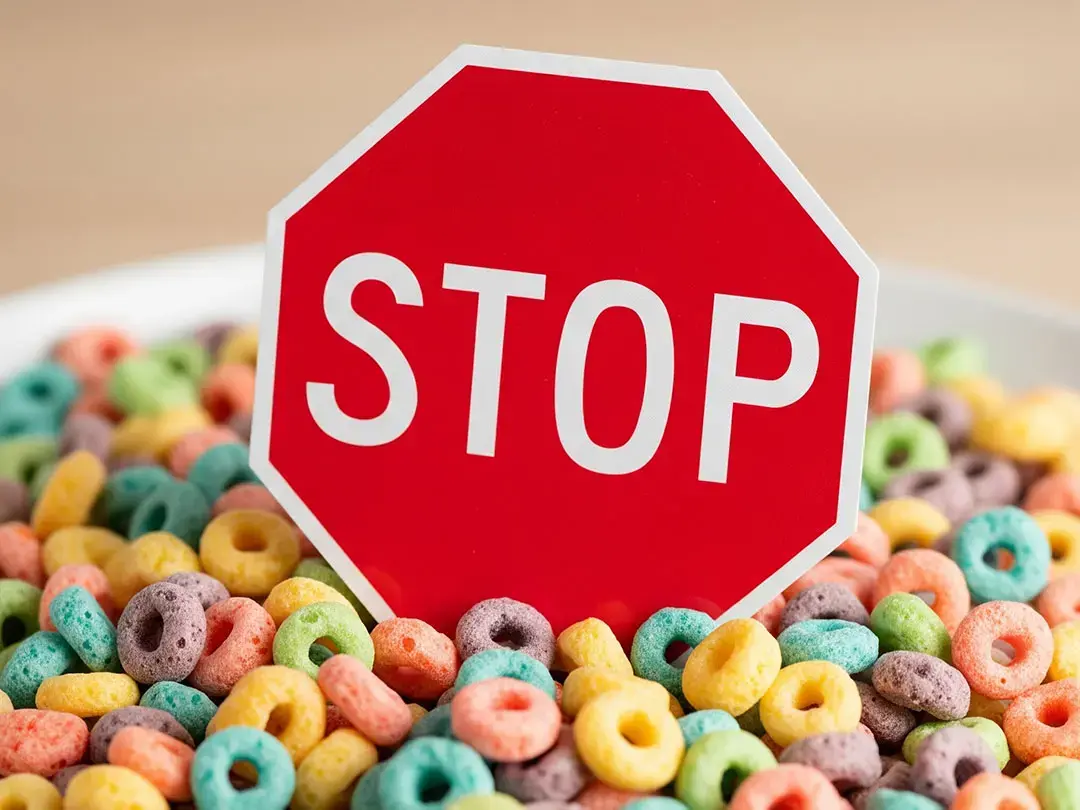
Breakfast plays an important role in supporting children’s energy, concentration, physical development, and overall health. However, many popular breakfast cereals contain significant amounts of added sugar and relatively little protein or fiber. While cereal can be part of a balanced diet, choosing the wrong variety may leave children hungry shortly after eating. For families balancing school, extracurricular activities, and sports such as pickleball lessons, providing nutritious morning meals helps children prepare for both mental and physical activity. At I&G Pickleball, we encourage healthy habits that support young athletes beyond the court, including balanced nutrition, proper hydration, regular exercise, and adequate rest.
Why Breakfast Nutrition Matters for Growing Children
The bodies of children and teenagers require a constant supply of nutrients to enable growth, to learn, and to be active. Breakfast must refuel the body after a night of sleep and also provide vital vitamins and minerals as well as protein and carbohydrates.
A balanced breakfast helps children to remain full and gives them energy for lessons and sporting activities. Having breakfast does not in itself improve academic or sports performance,, but a healthy breakfast is part of a healthy lifestyle.
While convenience matters, parents should focus on the food’s overall nutritional value rather than ease of consumption. Meals high in fiber from complex carbohydrates, protein, and healthy fats are more nutritious than foods made mostly of refined carbohydrates and sugars.
What Makes Some Breakfast Cereals Less Healthy?
While many breakfast cereals are unhealthy for children, there are many healthier alternatives made with whole grains, fiber, and necessary nutrients. Many popular breakfast cereals are primarily made with refined grains, added sugars, and artificial flavors in order to get children’s attention.
Understanding Added Sugar in Breakfast Cereals
Breakfast cereals marketed to children contain lots of added sugar. Many sugared cereals contain several teaspoons of sugar in each serving. However, children do not read labels, and they tend to pour out more cereal than specified in the serving size.
Added sugars are to be limited in healthy eating patterns. The American Heart Association recommends limits for children and adolescents 2–18 years old: 25 grams (6 teaspoons) of added sugars per day.
For example, a cereal that has 12 grams of added sugar per serving would account for about half the daily value of added sugars before you add in the sugar from flavored milk and juice as well as from other snacks and foods throughout the day.
When shopping, check the amount of added sugars in a product and pay attention to the Nutrition Facts label. Instead of buying products that contain vitamins, whole grains, or “natural” ingredients, look for healthy options.
Why Fiber and Protein Matter
Many refined grain cereals contain very little dietary fiber. While fiber is primarily used for digestive health, it can also make your meals more filling. Protein is used for growth, for repair of tissues, and for building and repairing muscles.
A breakfast of mostly refined carbohydrates can cause children to feel hungry sooner than a well-balanced breakfast with protein and fiber. Yet, the body’s response to any given food can vary, and it is the total nutrients in a meal that is most important.
Cereal can be combined with milk, unsweetened yogurt, fruit, and other healthy foods to improve nutritional value.
Are All Breakfast Cereals Bad for Children?
Breakfast cereal is not inherently bad and should not be completely avoided by children. Many breakfast cereals contain whole grains, fiber, iron, and other nutrients that are important for children’s growth and development.
Some children need to have certain vitamins and minerals in their diet, and a good source of these can be in a fortified cereal. However, the product’s nutritional content must be suitable, not just what the packaging promotes.
We would suggest comparing various cereals based on their whole-grain content, total fiber, total sugar, and serving size. There are many good choices, including plain oatmeal, shredded wheat, and even some sweeter whole-grain cereals as long as they are minimally sweetened.
To improve the quality of breakfast served to children, parents can add fresh berries, sliced bananas, nuts (when old enough), and plain yogurt to the existing foods. They add natural flavor and nutrients, which enable children to have energy for all activities throughout the day.
How Does Too Much Added Sugar Affect Children?
Consuming excessive amounts of added sugars can contribute to an unhealthy dietary pattern by often replacing nutritious foods with sugars contained in sweets and other sugary foods.
Eating large amounts of added sugar on a regular basis leads to the intake of excess calories and has the potential to cause dental cavities. Long-term consumption of diets containing high amounts of added sugars can lead to unfavorable metabolic health effects.
It is also important to note that there is a difference between added sugars and naturally occurring sugars in fruits and plain dairy products. Whole fruit contains fiber, water, vitamins, and minerals that most high-sugar breakfast products lack.
As a general rule, we refrain from declaring individual foods ‘bad.’ Instead, we look at how a child’s diet has been over time. An odd bowl of sugary cereal now and then is unlikely to harm a child’s health, but having sugary breakfast cereals most of the time does not support a healthy diet.
What Are the Best Breakfast Alternatives for Active Kids?
Kids who play sports in their free time need energy to keep moving, to concentrate, and to recover from physical activity. A breakfast that is too full could be problematic before engaging in sports.
Eggs and Whole-Grain Toast
Eggs provide high-quality protein and important nutrients, including choline, which supports normal brain function. Pairing eggs with whole-grain toast and fresh fruit creates a balanced meal containing protein, carbohydrates, and fiber.
Scrambled eggs with a slice of toast can be a small breakfast for children who don’t have a large appetite before school or for morning activities.
Oatmeal With Fruit and Nut Butter
The plain oatmeal consists of whole-grain carbohydrates and soluble fiber. The berries, bananas, and a small amount of nut butter add to the flavor and nutritional value of the plain oatmeal. They provide a healthy alternative to many packaged and highly sugared breakfast products.
Oatmeal can also be prepared ahead of time to help families with busy morning schedules.
Greek Yogurt With Fresh Fruit
The protein and calcium in plain Greek yogurt help to build strong bodies. Mix in your favorite fruit and some unsweetened whole-grain cereal for a well-balanced breakfast of different textures and flavors.
When purchasing yogurt for your children, compare the labels of flavored varieties. Many contain a lot of added sugar.
Whole-Grain Breakfast Sandwiches
Homemade breakfast sandwiches made with eggs, vegetables, and whole-grain bread provide an excellent combination of protein, carbohydrates, and nutrients.
These sandwiches can be made ahead of time and then simply reheated when needed to enable families to eat a healthy breakfast without too much time spent preparing it.
How Nutrition Supports Young Pickleball Players
Pickleball for youth involves playing with coordination, balance, concentration, speed, and lots of changes of direction. Lessons or casual games of youth pickleball require a lot of energy all day long. They need to eat frequently throughout the day.
Carbohydrates give us energy when we are doing exercise. Protein is required for growth and for muscles to recover. Healthy fats, vitamins, and minerals are required for overall growth and development.
We encourage the parents and families of growing athletes to provide a balanced diet instead of going for a limited amount of carbohydrate or following an adult athlete’s diet. The requirements of a young growing athlete will vary depending on their age, level of activity, and degree of development.
Young children participating in morning pickleball sessions may require sufficient time for breakfast to be digested comfortably. Instead of having a large breakfast, a banana or some toast may be sufficient to start the day for children who are participating in early morning sessions and have woken up shortly before commencing.
In addition to adequate fluid intake, water is acceptable for children participating in routine youth pickleball activities. Individuals participating in extended-duration activities in hot weather, however, will need to pay attention to total fluid intake as well as replenish electrolytes.
Why Healthy Breakfast Habits Matter Beyond the Court
I&G Pickleball believes that youth sports are a great way to instill positive habits and techniques that translate to many aspects of life. Of course, good technique, teamwork, and discipline are important, but nutrition and recovery are also very important to build great athletes.
Supporting our youth pickleball programs by providing your child with balanced meals, adequate sleep, and regular hydration between sessions will aid in their development of motor skills, confidence, and good sportsmanship.
Supporting the healthy development of children does not have to include complicated meal plans. Healthy breakfasts can be made a regular part of a child’s diet by providing healthy choices, getting children involved in preparing meals and modeling healthy eating behaviors.
Frequently Asked Questions
Is breakfast cereal unhealthy for children?
No, a whole grain breakfast cereal with limited added sugar and plenty of fiber is fine. Parents would need to read nutrition facts panels and get a sense of the total nutrients in all the items in a particular meal.
What should children eat before morning pickleball lessons?
A breakfast of carbohydrates and protein, like a bowl of oatmeal with yogurt or scrambled eggs on whole-grain toast, gives children energy to play. How much to eat and when depends on children’s appetites and the amount of time they have before play.
Can sugary breakfasts affect children’s athletic performance?
A breakfast made up mainly of added sugar has little protein and fiber. Children who eat such breakfasts may get hungry during their activities and need more nutrient-rich meals to provide them with the nutrients and energy they need for physical activity, concentration, and recovery.
Does I&G Pickleball offer lessons for children who are beginners?
Yes. We offer youth pickleball lessons for beginners that cover serving, paddle control, footwork, court positioning, and the basic game strategy. Our youth coaching focuses on developing skill, good sportsmanship, and lots of fun.
Help Your Child Build Healthy Habits Through Pickleball
Help children’s development by combining healthy eating with regular physical activity. Help children eat balanced breakfasts and try to limit their intake of excess added sugar. Enjoy and try to find ways to make physical activity fun.
Our I&G Pickleball lessons help children to develop confidence, coordination, and, above all, most importantly, to have lots of fun whilst participating in a physical activity that they can continue to enjoy for many years to come. Our Pickleball lessons are conducted by experienced instructors in a small group environment.
We invite families to explore our youth programs and discover how personalized coaching can help their children grow both on and off the court. Contact us today to learn more about our lessons and scheduling options.
Picture Source: generated by AI Gemini
